What to Expect During an Emergency Vet Visit
An emergency vet visit can be a daunting experience for both pets and their owners. Understanding the process and what to expect can alleviate some anxiety and help ensure a smoother experience for everyone involved. Being informed and prepared is crucial, as emergencies often occur unexpectedly and require swift action. Whether it's a sudden injury or a mysterious ailment, knowing how to navigate an emergency vet visit can make a significant difference in the outcome. This article will guide you through the various stages of an pet emergency vet visit, from recognizing the signs of a pet emergency to post-visit care and follow-up.
Recognizing the Signs of a Pet Emergency
Severe Injury or Trauma
Injuries are a common reason why pets require emergency veterinary care. Severe trauma, such as being hit by a car or falling from a height, can lead to life-threatening conditions that need immediate attention. Visible signs like broken bones, large wounds, or signs of pain should prompt an immediate trip to the vet. Internal injuries may not be obvious right away but could still be critical, requiring urgent diagnostic assessment. Knowing these signs can ensure your pet receives the timely care they need.
Difficulty Breathing or Choking
One of the most alarming scenarios for pet owners is witnessing their pet struggling to breathe. Causes can range from respiratory infections and allergic reactions to choking hazards. Immediate intervention is essential, as breathing difficulties can quickly deteriorate into a life-threatening situation. Watching for signs like gasping, wheezing, or pawing at the mouth can help you act swiftly. Prompt veterinary care can mean the difference between life and death in these cases.
Seizures or Sudden Collapse
A sudden seizure or collapse can be frightening and dangerous for pets. It may be indicative of underlying neurological disorders or systemic issues like poisoning. During a seizure, keep your pet safe from harm and avoid touching their mouth, then seek immediate veterinary assistance. A sudden loss of consciousness or severe lethargy should also be treated as an emergency. Veterinary professionals can provide the necessary diagnostic and therapeutic interventions to address these critical situations.
Uncontrolled Bleeding
Uncontrolled bleeding is a clear sign of an emergency that requires prompt veterinary care. Whether from a deep cut, surgical complications, or an unknown source, excessive bleeding can lead to shock and organ failure if not treated quickly. Apply pressure to the wound while you transport your pet to the nearest pet emergency vet clinic. Quick recognition and action can minimize blood loss and improve the chances of recovery. Understanding first aid basics for pets can be invaluable in these scenarios.
Preparing for an Emergency Vet Visit
Gather Important Information
Preparation is key when dealing with potential pet emergencies. Having vital information readily available, such as medical history, vaccination records, and regular veterinarian details can expedite treatment. Consider maintaining a file or digital record specifically for your pet's healthcare needs. This information can be invaluable during the chaos of an emergency situation, ensuring that your pet receives appropriate care. Preparedness reduces stress and streamlines the vet's ability to diagnose and treat your pet quickly.
First Aid for Pets
Knowing basic first aid for pets can stabilize your furry friend before you reach professional care. Techniques such as applying pressure to a wound, administering CPR, or inducing vomiting in non-caustic poisoning cases can make all the difference. Familiarizing yourself with these methods provides vital time, especially if immediate pet emergency vet care isn't nearby. Emergency pet first-aid kits, similar to those for humans, are available and invaluable in these situations. Proper first-aid application can transition into professional care smoothly, enhancing treatment outcomes.
Safely Transporting Your Pet
Transporting a pet in distress requires careful attention to ensure their safety and comfort. Use secure carriers for smaller animals and restrain larger dogs with seat belts or harnesses. Minimize movement to prevent aggravating injuries and maintain a calm environment to reduce anxiety. If your pet is unable to move, use a blanket or board as a stretcher, moving them gently to avoid causing additional stress. Ensuring safe transport allows for a smoother transition to emergency care upon arrival.
What to Bring to the Clinic
When heading to the emergency vet, knowing what essentials to pack ensures a speedier processing. Identification, medical records, a list of current medications, and contact information for your regular pet emergency vet should be included. Comfort items like a favorite toy or blanket can help alleviate stress for both the pet and owner. Ownership verification can expedite check-in and treatment. Having these essentials on hand improves the clinic's ability to cater to your pet's specific needs.
Checking In at the Clinic
The Triage Process
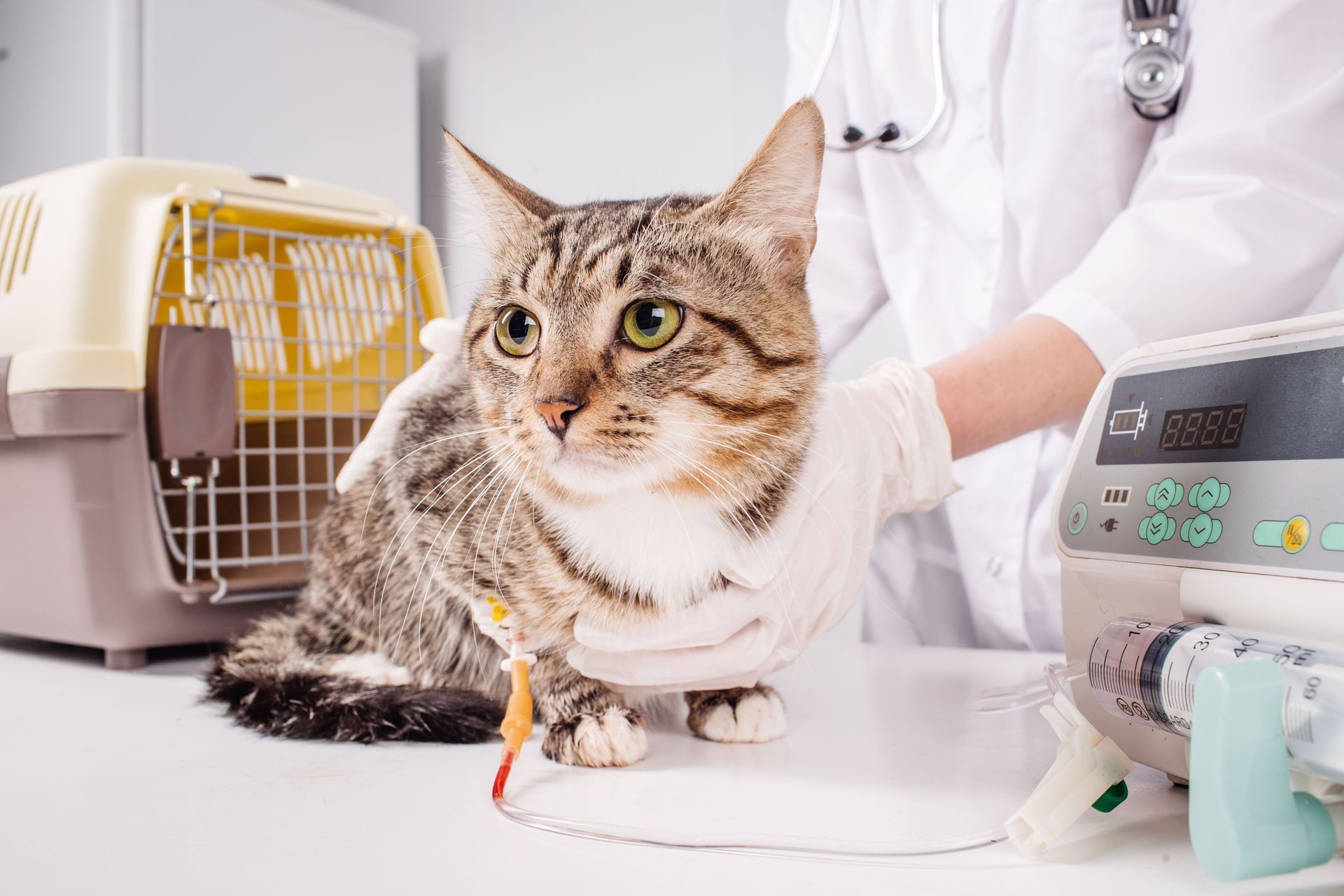
Upon arrival at the clinic, your pet will undergo a triage process to determine the urgency of their condition. Veterinary staff quickly assess the situation to prioritize treatment based on the severity of symptoms. Pets in critical conditions are seen immediately, while those with less severe symptoms may wait longer. This system ensures that resources are allocated effectively to those who need it most. Understanding this process helps manage expectations during the often emotional waiting period.
Providing Medical History
Providing a comprehensive medical history at check-in aids the pet emergency vet in determining accurate treatment plans. Include known allergies, ongoing medications, and any recent health changes you've noticed. This background information contextualizes current symptoms and enables personalized care. Efficient sharing of health history can help avoid repetition of tests and validate effective treatments. This collaborative approach is essential to optimal emergency medical care for your pet.
Filling Out Paperwork
Once in the clinic, you'll be asked to fill out forms detailing your pet's condition and necessary information. This step is crucial for legal and procedural reasons, highlighting the importance of accuracy and completeness. Expect to include contact details, pet specifics, and detailed descriptions of the emergency. Providing this promptly can help expedite the treatment process. Patience during this stage, though difficult, contributes to thorough and safe care for your furry companion.
Examinations and Diagnostics
Initial Physical Examination
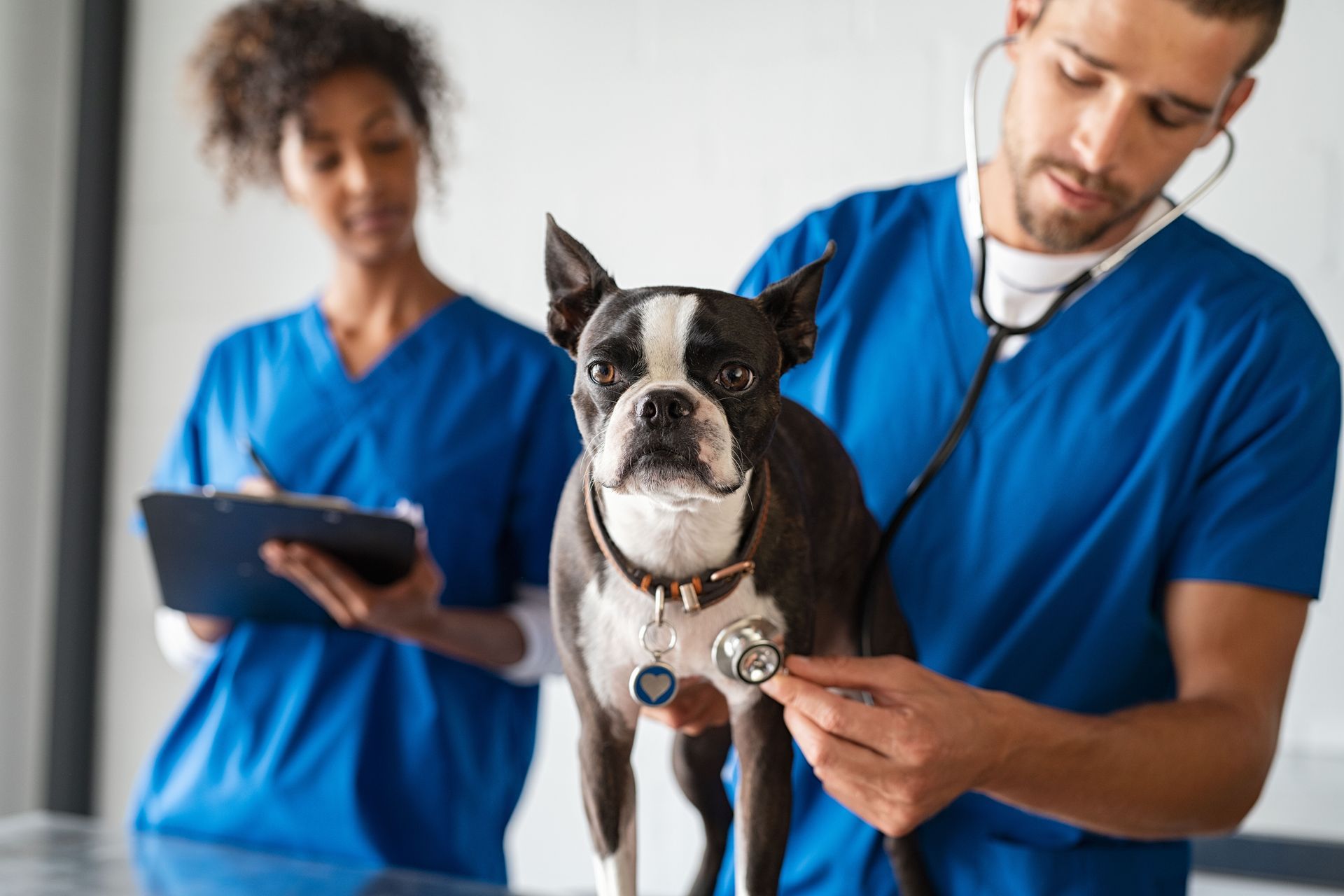
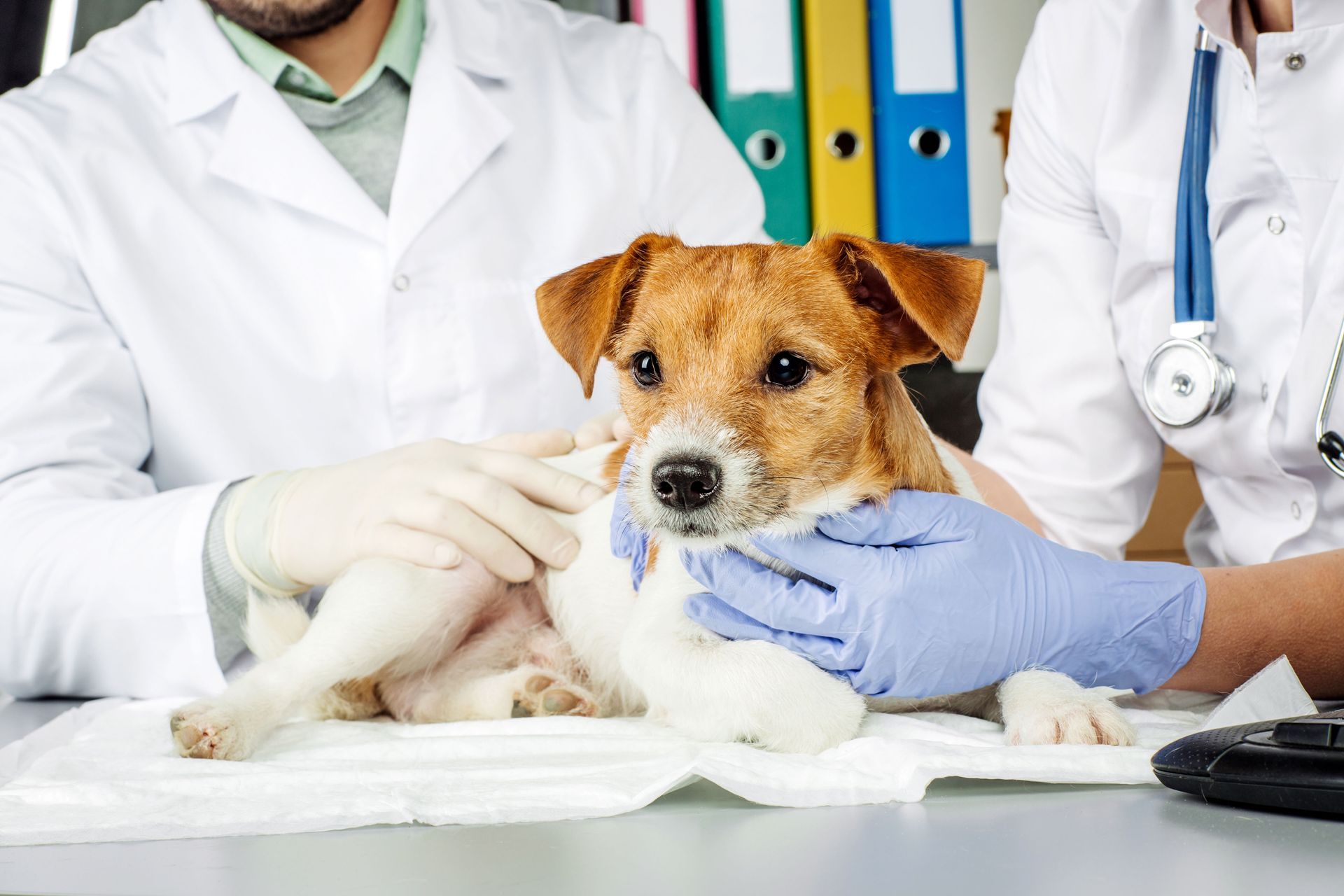
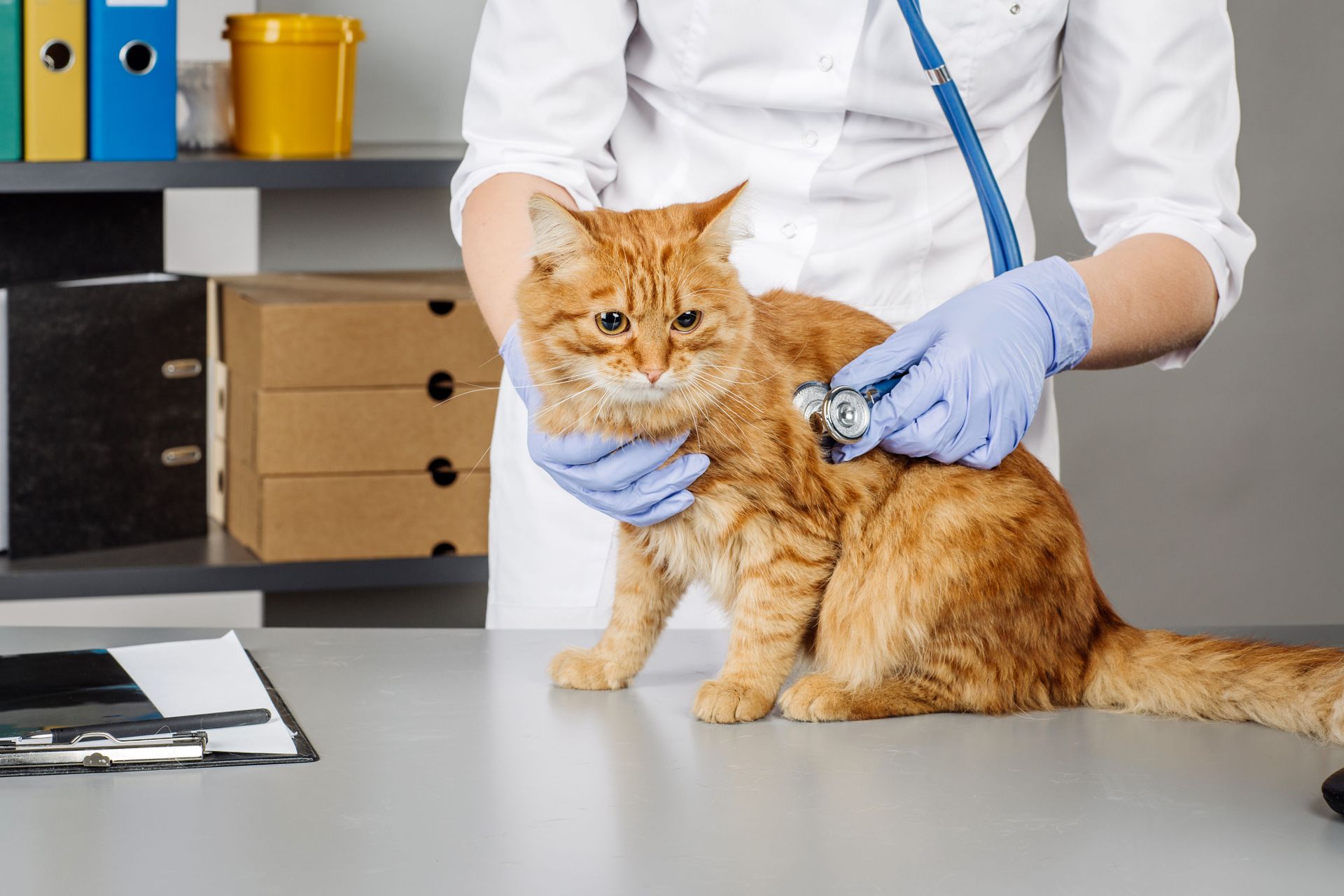
The attending veterinarian begins with a thorough physical exam to identify immediate health concerns. By observing your pet's behavior, checking vitals, and inspecting physical signs, the pet emergency vet can hypothesize about potential problems. During this examination, cooperation and ensuring your pet remains calm is paramount. These initial observations provide critical insights guiding further testing or treatment plans. This proactive approach is vital in narrowing diagnoses and can expedite the stabilization phase.
Diagnostic Tests and Procedures
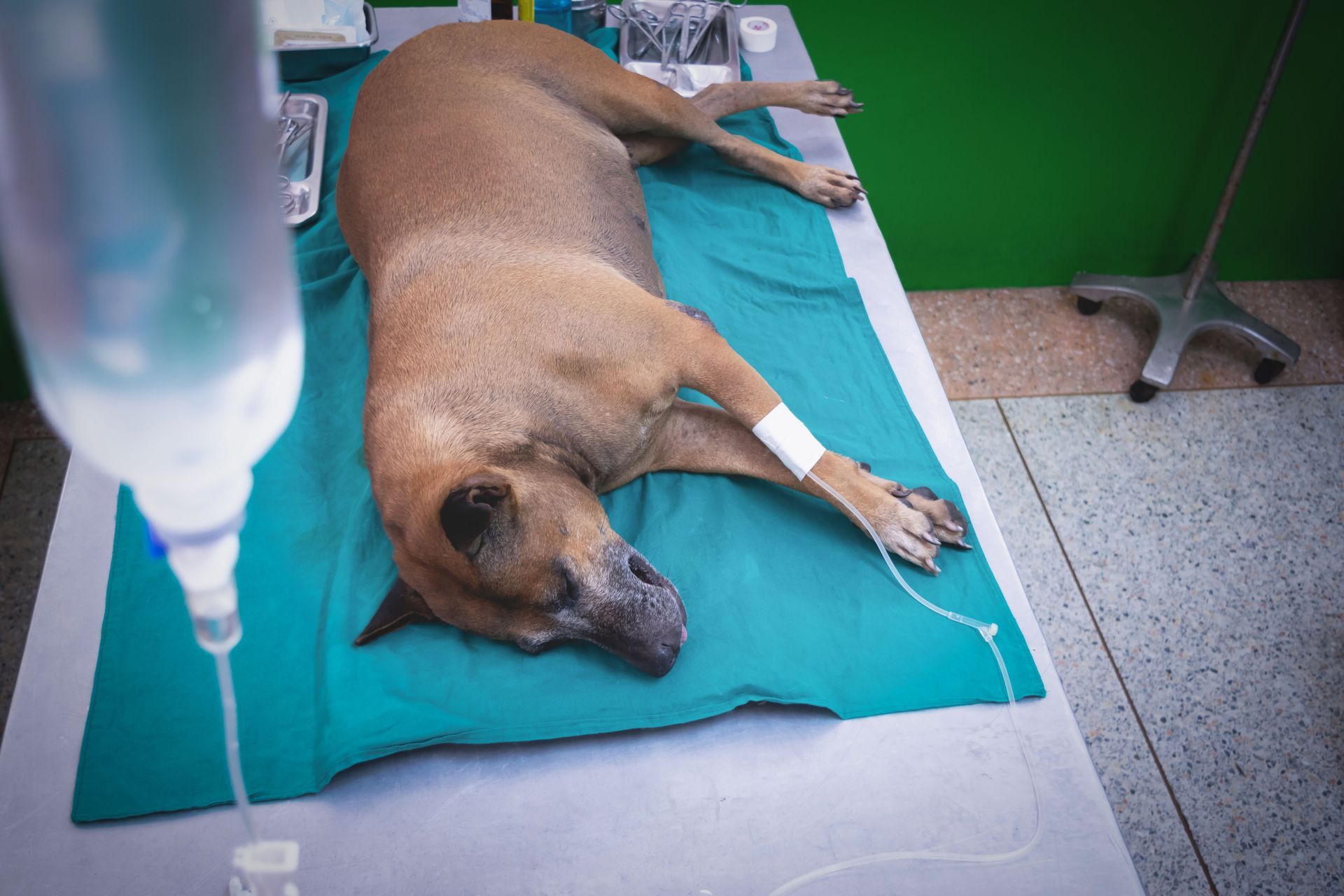
Based on physical findings, the pet emergency vet may recommend specific tests to identify the root of the emergency. Blood tests, fecal examinations, and cytologies are common investigative tools used in these scenarios. Diagnostic imaging or special procedures like ultrasounds or endoscopies might be necessary for definitive evaluation. Discussing these options with your vet helps in understanding the health risks and benefits involved. Cooperation in these tests can drastically improve diagnosis accuracy and facilitate tailored treatment plans.
Discussing Potential Diagnoses
Following examinations and diagnostic tests, your pet emergency vet will discuss potential diagnoses with you. This dialogue addresses the findings' implications, potential treatments, and prognoses. Engaging with your pet emergency vet during these discussions ensures all parties are aligned with treatment goals and expectations. It allows for questions about prognosis, treatment complexity, and anticipated costs, encouraging a transparent vet-owner partnership. Your nuanced insight into your pet's habits can contribute to these discussions, assisting in refining diagnosis accuracy.
A pet emergency vet visit can be stressful, but preparation and understanding of the process can make a significant difference. By knowing what to expect and how to respond, pet owners can help ensure the best possible outcome for their furry friends. According to Times Union, one in three pets requires emergency care annually, with a pet in the U.S. receiving urgent treatment roughly every 2.5 seconds. Having readiness steps and crucial knowledge in mind equips owners to take quick, effective action in a crisis. If you're looking for a pet emergency vet, contact Emergency Animal Hospital of Crystal Falls today.
Share On: