Can You Afford an Unexpected Trip to the Animal Emergency Hospital?
Unforeseen medical emergencies with your pets can strike entirely without warning. When these crises happen, the immediate necessity of rushing your animal companion to a clinic can become financially burdensome. Understanding the standard expenses associated with urgent veterinary treatment will help you navigate these difficult moments with complete clarity.
Planning for a stressful trip to an animal emergency hospital can make a massive difference in your peace of mind. By taking proactive measures today, you ensure that your cherished companion receives prompt care without completely draining your bank account. Let us explore how to prepare for these high-pressure situations effectively.
Understanding the Costs of Emergency Veterinary Care
Entering an animal emergency hospital usually begins with an initial base fee just for walking through the door. These triage and examination fees fluctuate widely based on your geographic location, time of day, and illness severity. Pet owners must generally expect higher baseline charges during weekends, nights, and major holidays.
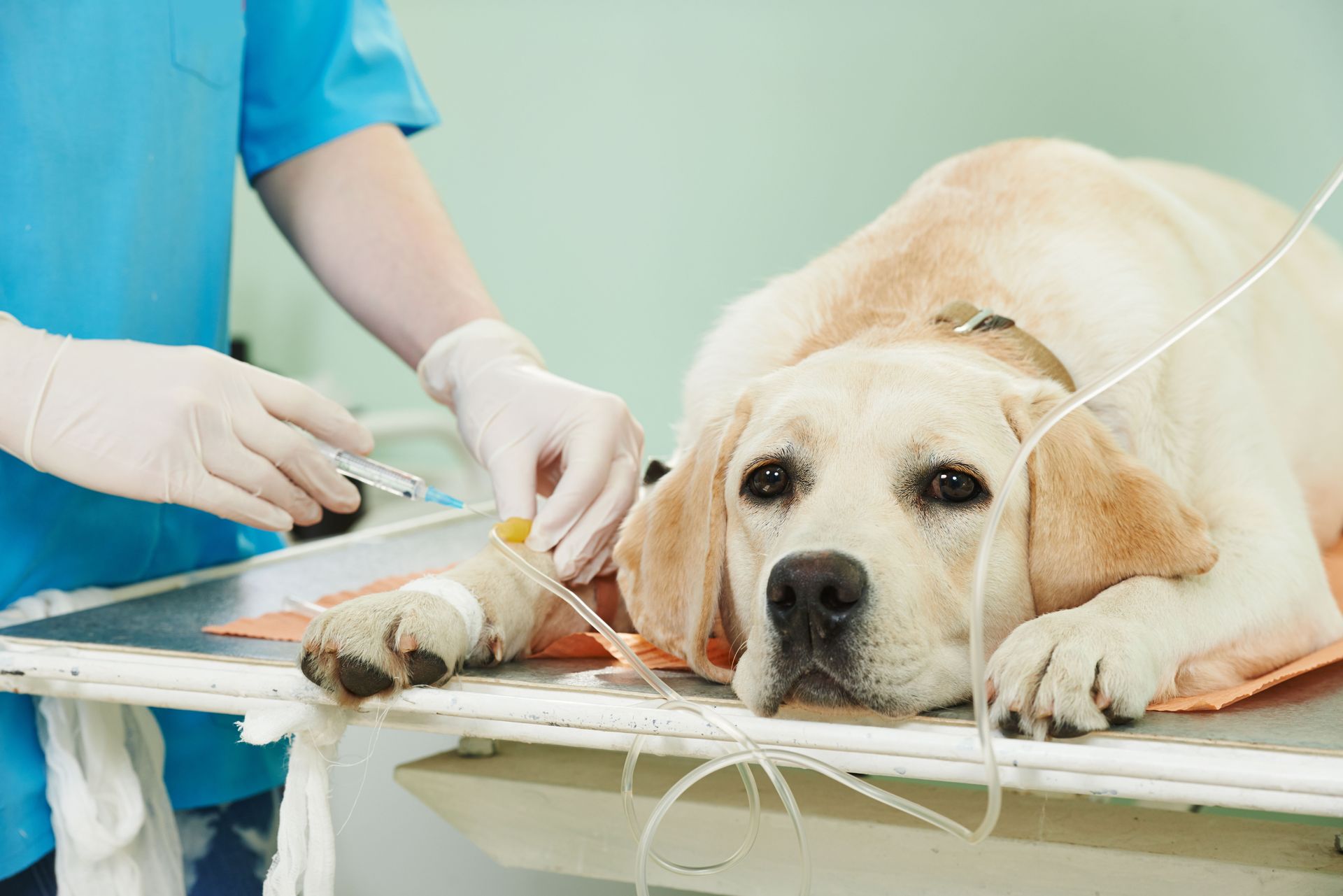
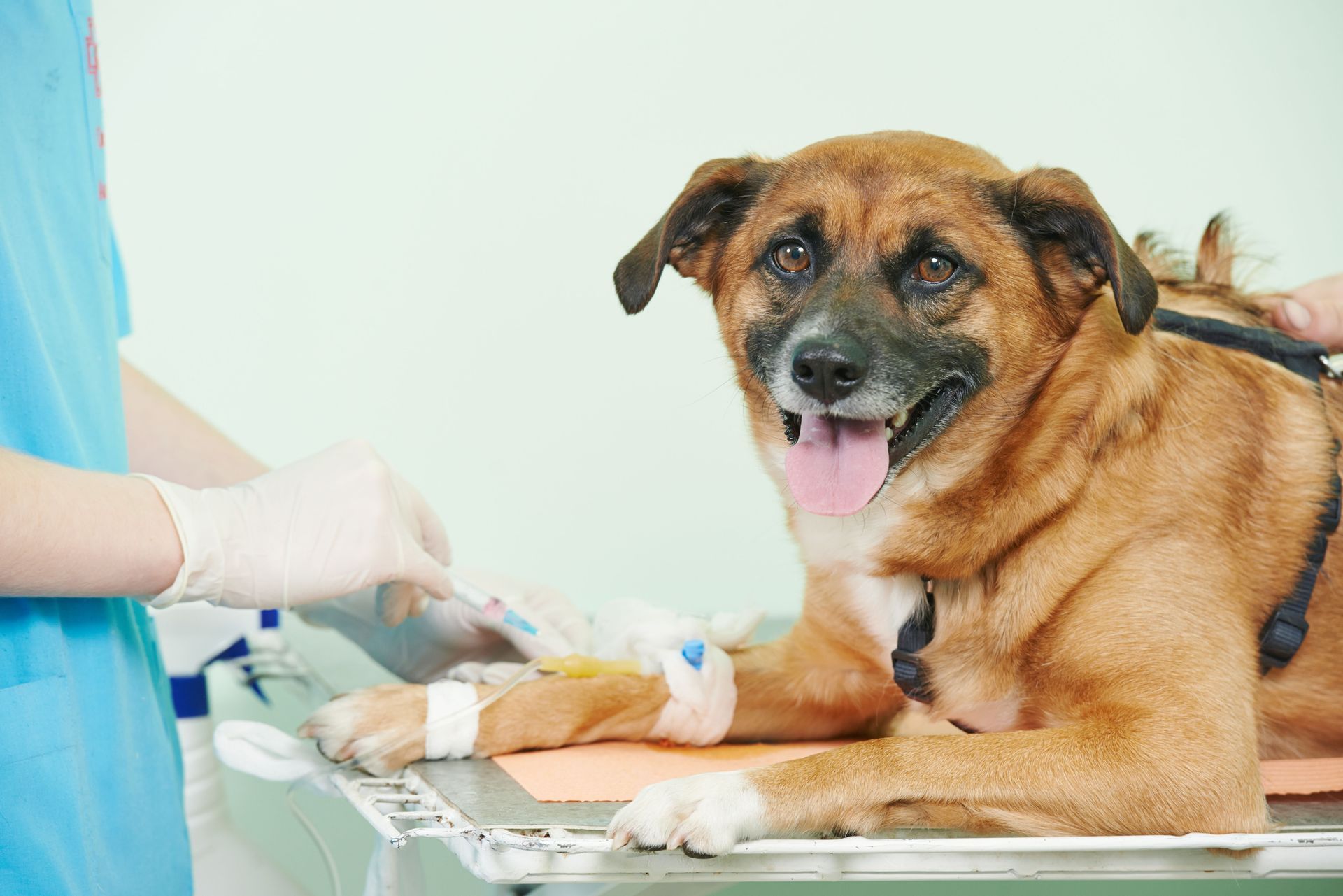
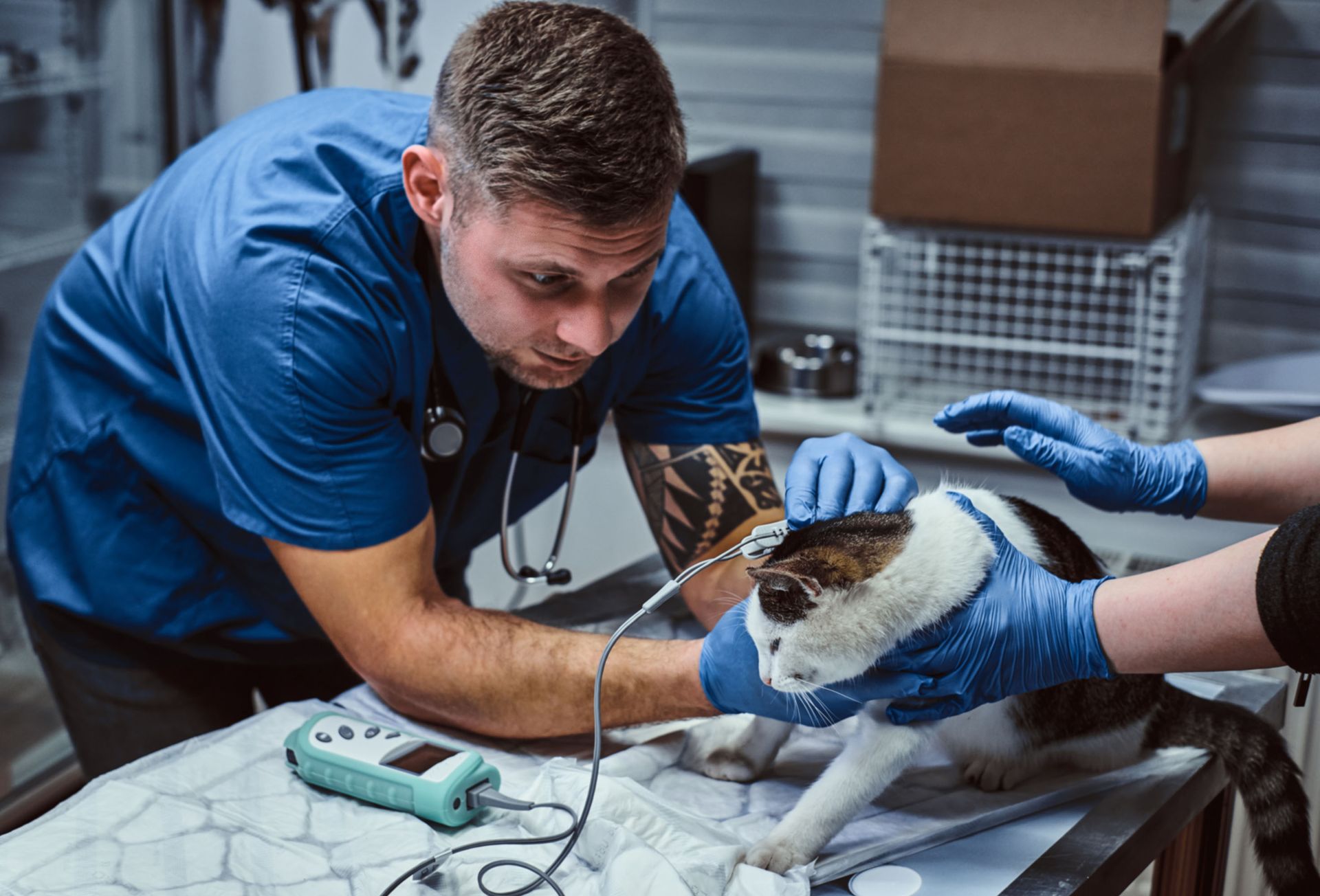
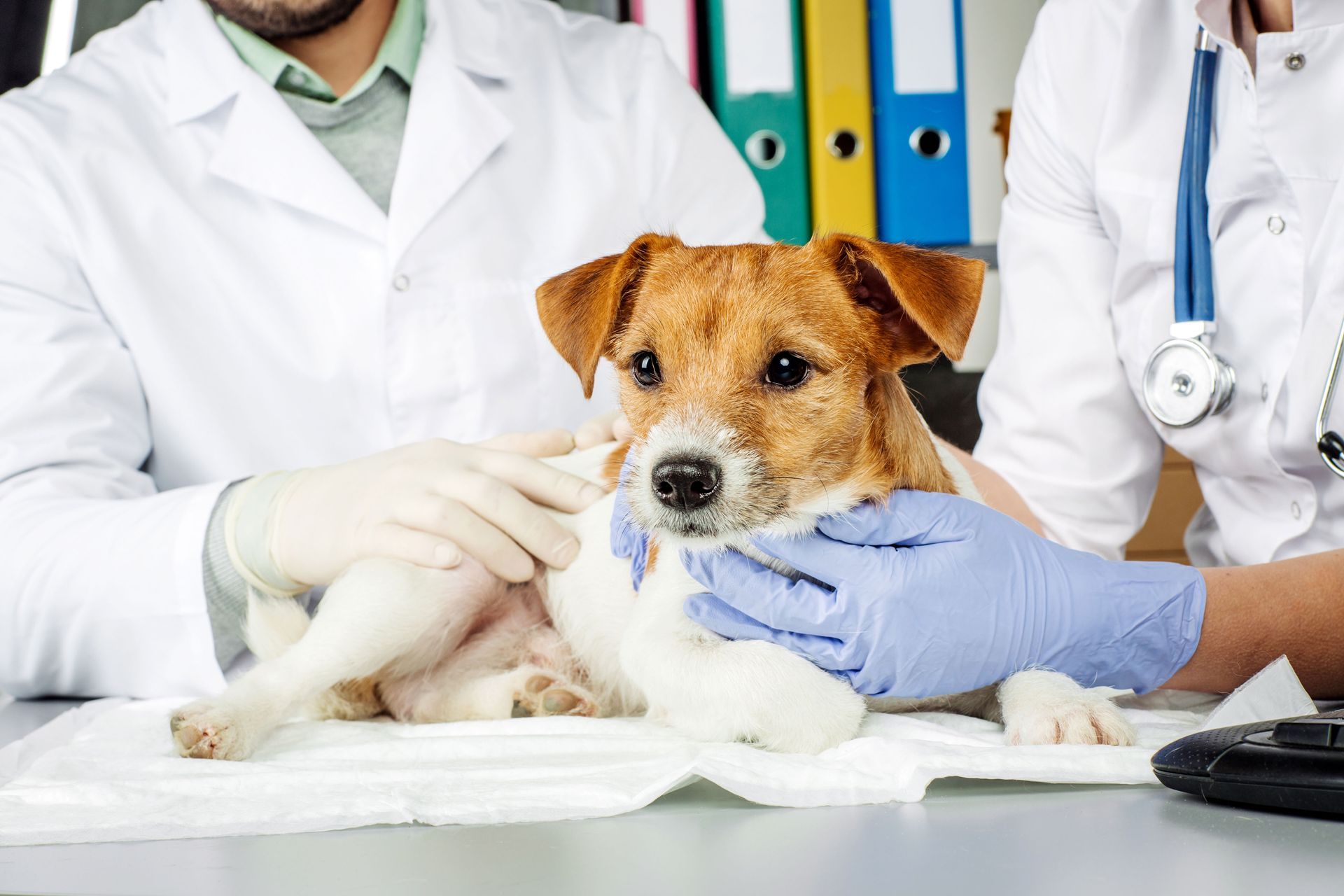
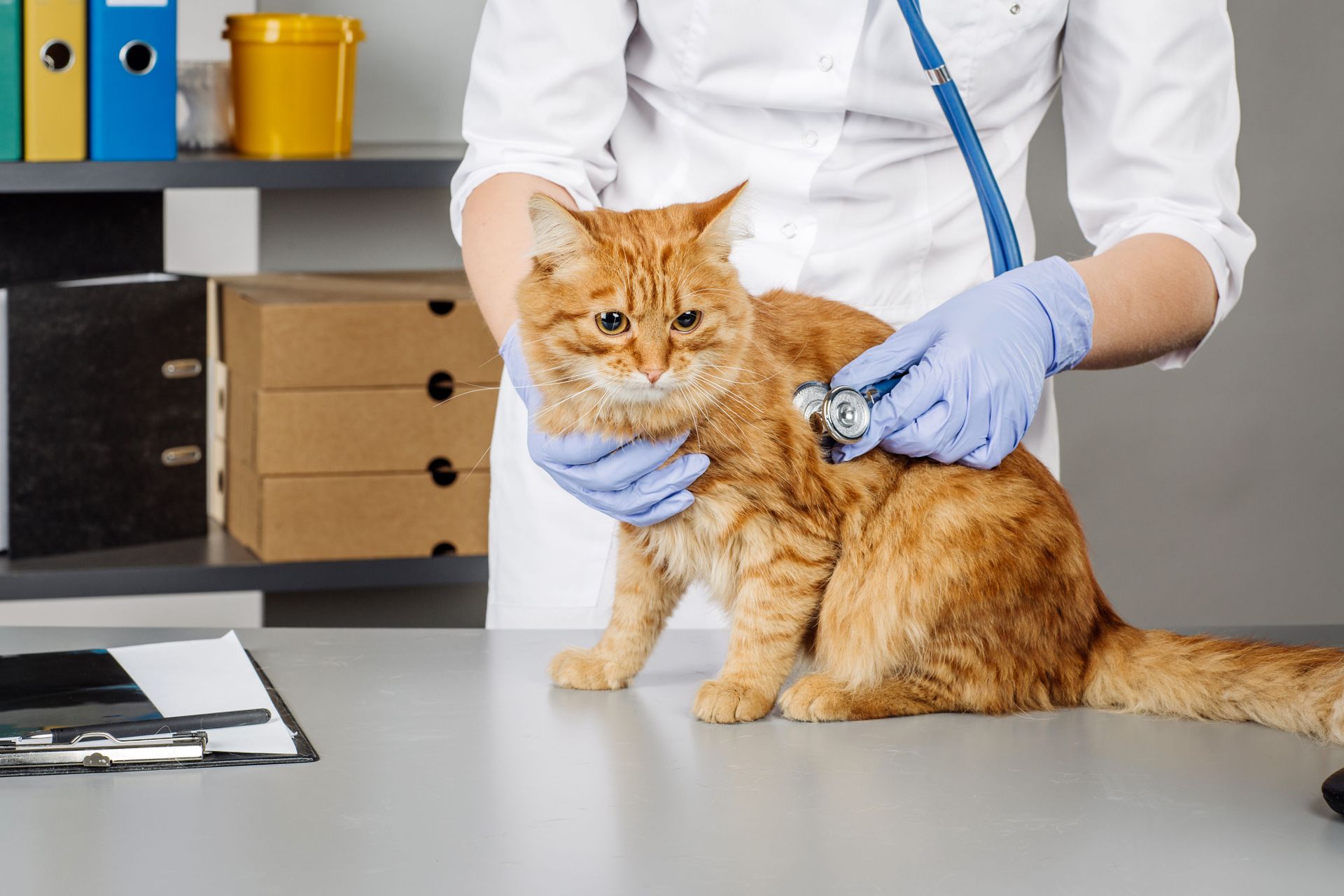
Once the veterinary team examines your pet, diagnostic testing becomes the next essential step in identifying underlying medical issues. This process often involves comprehensive blood panels, digital X-rays, and urgent ultrasounds to determine the exact problem. While these precise tests are vital for accurate treatment, they quickly increase your final bill.
Following a clear diagnosis, direct medical treatments or intensive surgical interventions represent the largest portion of urgent veterinary bills. Complex surgeries require specialized anesthesia, sterile equipment, and expert monitoring, which can rapidly cost thousands of dollars. Discussing all available treatment paths with your veterinary team helps manage these intense expenses.
Beyond immediate medical stabilization, specialized prescriptions and continuous aftercare add extra layers to your final invoice. Recovering pets frequently require pain management medications, temporary therapeutic diets, and mandatory follow-up exams to monitor healing progress. Realizing the full scope of these ongoing recovery costs prevents unexpected financial surprises down the road.
Evaluating Your Pet Insurance Options
Investing in a reliable pet insurance policy serves as an excellent safeguard against sudden, catastrophic veterinary expenses. Different providers offer various tiers of coverage, ranging from basic accident-only plans to comprehensive illness and wellness packages. Selecting the proper policy requires evaluating your animal's specific lifestyle and potential genetic health risks.
Conducting a thorough cost-benefit analysis will reveal if maintaining monthly insurance premiums aligns with your personal household budget. While some owners view monthly premiums as an unnecessary expense, others recognize insurance as vital protection during an animal emergency hospital visit. This coverage provides invaluable reassurance when expensive medical choices arise.
Finding the perfect plan involves comparing different deductibles, reimbursement percentages, and annual coverage limits across multiple insurance companies. You should consult your primary vet regarding common hereditary conditions that frequently affect your pet's specific breed. Comparing these specific details allows you to balance monthly affordability with robust, dependable emergency protection.
Reviewing the fine print is necessary because most insurance policies contain distinct exclusions and specific waiting periods. Pre-existing conditions, routine grooming, and certain elective surgeries are typically excluded from standard emergency coverage plans. Developing a clear understanding of these policy boundaries protects you from facing denied claims during a crisis.
Establishing a Dedicated Emergency Fund
Building a personal pet savings fund represents another highly proactive approach to achieving complete financial readiness for an animal emergency hospital visit. Financial experts generally recommend keeping a dedicated balance of one to two thousand dollars specifically set aside for animal crises. This liquid cash ensures you can immediately approve lifesaving procedures without waiting for insurance reimbursements.
Automating your savings is an efficient strategy for growing this essential medical safety net over time. Allocating a modest, consistent sum from each paycheck directly into a separate account builds a substantial cushion without disrupting your daily routine. Keeping these funds completely isolated ensures you will not spend them on everyday purchases.
Utilizing a high-yield savings account allows your emergency reserves to grow faster through competitive interest rates. Some owners also look into low-risk bonds or structured community crowdfunding options to supplement their personal emergency veterinary savings. Choosing the right financial vehicle depends on your comfort with risk and your immediate timeline goals.
Deploying your emergency savings efficiently requires maintaining transparent communication with the treating veterinarians during a crisis. You should explicitly prioritize essential treatments that stabilize your pet while carefully tracking every single medical expense. Replenishing this fund immediately after the crisis passes ensures you remain fully prepared for any future incidents.
Navigating Alternative Clinic Payment Plans
Inquiring about internal payment options at the animal emergency hospital can provide immediate relief when liquid funds are short. Many specialized veterinary facilities offer structured financing arrangements that divide large, daunting balances into smaller monthly installments. Establishing a transparent relationship with the clinic staff makes discussing these flexible payment configurations much easier.
Applying for specialized medical credit cards or low-interest personal loans can bridge the financial gap during unexpected medical events. These dedicated financial resources offer quick approvals and flexible repayment terms tailored specifically for veterinary care costs. It remains crucial to read all interest terms carefully to avoid long-term debt complications after recovery.
Seeking assistance from established animal welfare charities and regional non-profit organizations offers another viable avenue for financial aid. These groups provide grants to low-income families struggling to afford critical, lifesaving medical intervention for their pets. Researching these supportive groups ahead of time accelerates your access to help when seconds truly count.
Negotiating final bill totals directly with your veterinary care providers can sometimes lower overall out-of-pocket expenses. Some clinics offer specific discounts for upfront cash payments or modify treatment protocols to better match your financial realities. Openly discussing your budget constraints encourages the medical team to find compassionate, creative financial solutions.
Preventing Medical Crises Through Routine Care
Prioritizing preventative veterinary care is the most effective method for minimizing the likelihood of sudden medical disasters. Routine wellness exams, scheduled vaccinations, and regular parasite prevention shield your pet from many severe, preventable conditions. Investing consistently in basic preventative healthcare dramatically reduces the necessity of future high-cost emergency room interventions.
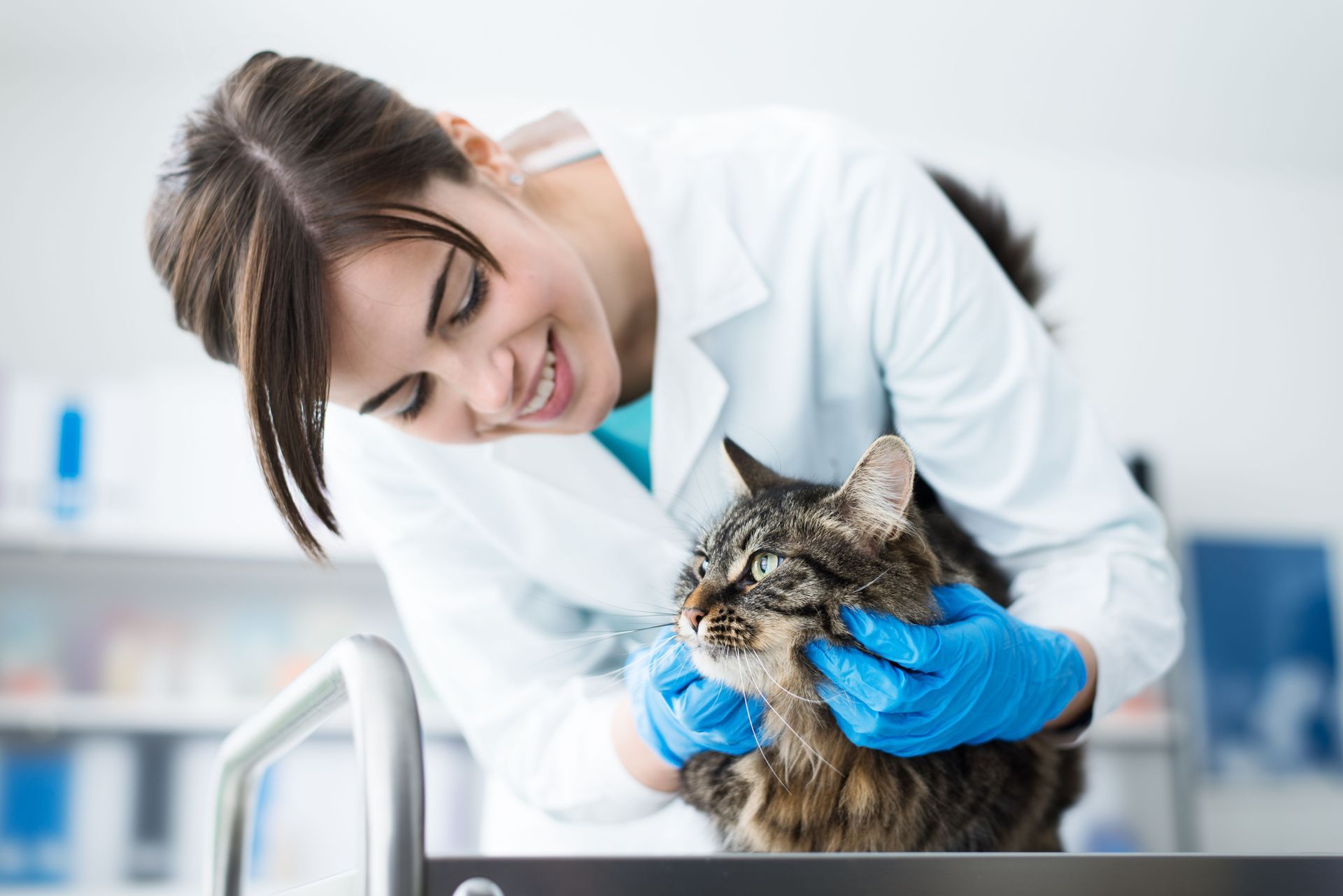
Scheduling routine annual checkups allows your primary vet to detect subtle health changes before they become life-threatening. Early medical interventions are always significantly less invasive and far cheaper than treating advanced, acute organ failures. Regular monitoring establishes a clear health baseline, making visits to an animal emergency hospital far less likely.
Staying mindful of home maintenance can inspire a similar dedication to your pet's ongoing preventative wellness routine. For example, according to This Old House, a conventional 1,000-gallon septic tank that supports a household of four individuals generally requires routine pumping every 3–5 years based on water usage habits and family size.
Recognizing early warning signs of illness, such as sudden behavioral shifts or changes in appetite, is equally vital. Promptly addressing minor symptoms prevents conditions from deteriorating into full-blown crises requiring immediate hospitalization. Partnering closely with your veterinarian to design a comprehensive lifelong health plan ensures your companion remains vibrant and safe.
Facing a sudden medical crisis with your beloved animal companion can feel completely overwhelming both emotionally and financially. Maintaining a thorough understanding of urgent care costs, exploring insurance, and establishing savings can fully prepare you. Proactive planning ensures your pet receives rapid, compassionate care at an animal emergency hospital whenever disaster strikes.
Taking these necessary preparatory steps today allows you to focus entirely on your pet's recovery rather than financial stress. We invite you to partner with us to protect your pet's lifelong health and wellness. Let us provide the exceptional care and support your family deserves at Emergency Animal Hospital of Crystal Falls.




Share On: