
Snake Bites and Your Pet: Why Every Minute Counts in Central Texas
Central Texas is a wonderful place to share with a dog or cat. Warm weather, open trails, and plenty of green space make it easy to spend time outdoors together. But that same landscape is also home to several species of venomous snakes, and pets are naturally curious. A dog sniffing through tall grass or a cat exploring a woodpile can encounter a snake in an instant. When a bite happens, the minutes that follow matter a great deal. Venom can begin damaging tissue, affecting blood clotting, and impacting vital organs quickly, so fast action and professional care give your pet the best chance at a full recovery. Knowing which snakes live in the area, how to recognize a bite, and what to do next can help you respond with confidence if the unexpected happens.
Knowing the Venomous Snakes of Central Texas
Several venomous snakes call Central Texas home, and each poses a different level of risk to pets. Western diamondback rattlesnakes are among the most common and are known for their distinctive rattle and diamond-shaped pattern. Copperheads blend easily into leaf litter and are often found near wooded areas, creek beds, and backyard landscaping. Cottonmouths, also called water moccasins, tend to stay near ponds, rivers, and other water sources. Texas coral snakes are smaller and more secretive, with bright red, yellow, and black bands, but their venom affects the nervous system and can be extremely dangerous. Snakes are most active during the warmer months, especially in the early morning and evening, though bites can happen any time temperatures rise. Understanding where these snakes like to hide helps you stay alert during walks, hikes, and time in the yard. Neighborhoods near Lake Travis, the San Gabriel River, and open hill country land often see more snake activity, especially after heavy rain pushes snakes out of their usual hiding spots.
Recognizing the Signs of a Snake Bite
Pets can't tell us when something has bitten them, so it's important to know the warning signs. Dogs are most often bitten on the face, nose, or front legs because they tend to investigate with their noses and paws. Common symptoms include sudden swelling, puncture wounds, bleeding, bruising, and signs of pain such as whining or limping. As venom spreads, pets may become weak, drool excessively, vomit, tremble, or have trouble breathing. Some pets collapse or show pale gums. Coral snake bites can be especially tricky because symptoms may be delayed for several hours, even though the venom is still at work. If you see your pet near a snake or notice sudden swelling with no clear cause, treat it as an emergency. Our pet emergency veterinarians would much rather examine a pet and find a minor issue than see a serious bite left untreated.
Acting Quickly After a Bite
Every minute counts after a venomous snake bite, and the most important step is getting your pet to emergency care right away. Try to stay calm, since pets often pick up on their owners' stress. Keep your pet as still and quiet as possible, and carry smaller animals if you can to slow the spread of venom. If it's safe, take a quick photo of the snake from a distance, but never try to catch or kill it, since this puts you at risk of being bitten as well. Remove your pet's collar if swelling is near the neck. Avoid well-meaning home remedies like ice, tourniquets, cutting the wound, or trying to suck out venom, as these can cause more harm. It's also helpful to call ahead while you're on the way so the hospital team can prepare for your arrival. Our pet emergency veterinarians are ready to begin treatment the moment you walk through the door.
Understanding Emergency Treatment
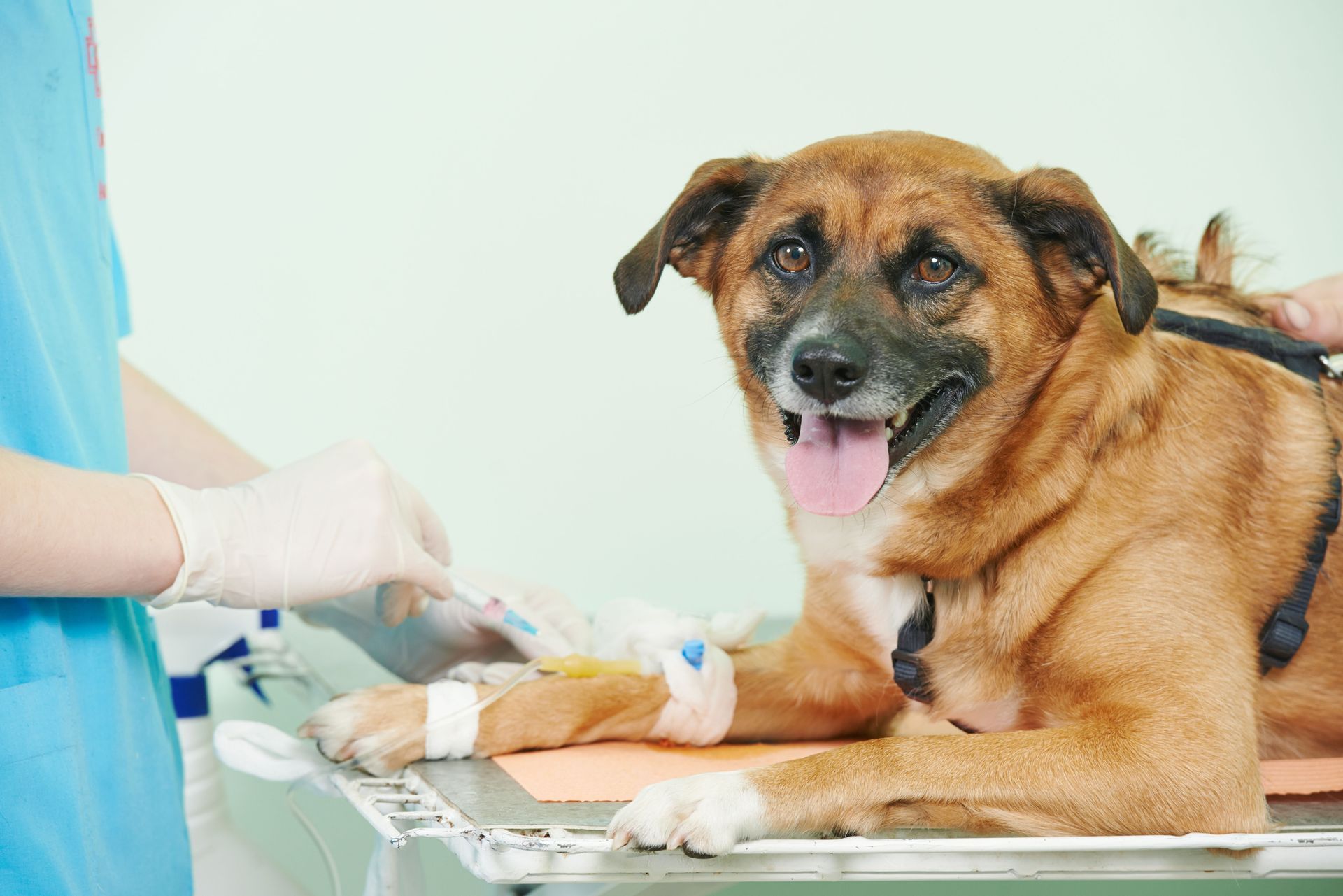
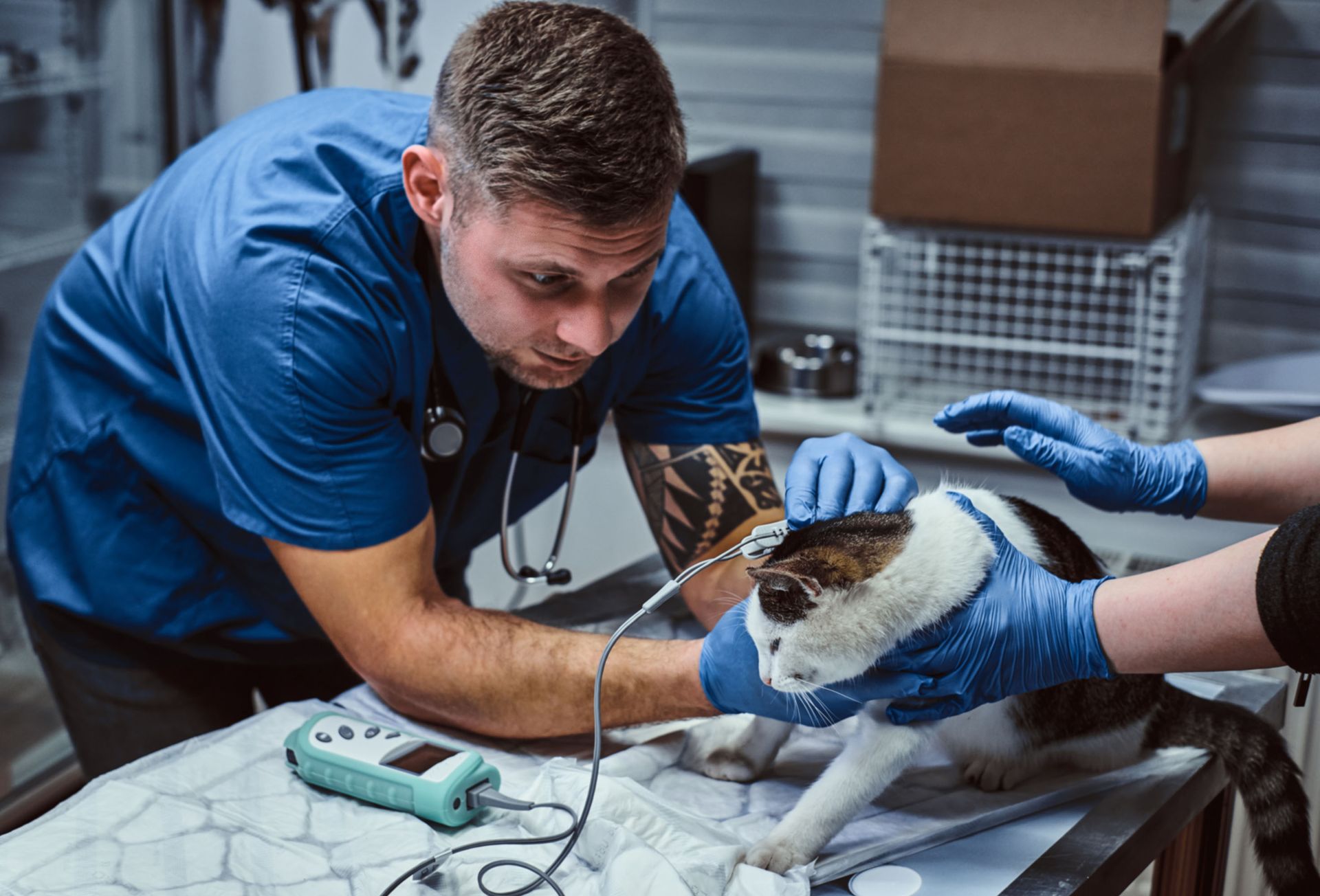
Once your pet arrives at the hospital, the veterinary team will assess their condition and begin treatment based on the severity of the bite. This may include pain management, intravenous fluids to support blood pressure, and close monitoring of heart rate, breathing, and blood clotting. In many cases, antivenom is used to help neutralize the venom and reduce damage to tissues and organs. Blood tests can reveal how the venom is affecting your pet's body and guide the next steps in care. Wound care and antibiotics may also be needed to prevent infection. Some pets recover after a short hospital stay, while others need more extended monitoring. Even if your pet seems to improve on the way to the hospital, it's still important to have pet emergency veterinarians perform a full evaluation, since venom effects can worsen hours after the initial bite. Having experienced pet emergency veterinarians on hand makes a big difference, since snake bite treatment often requires quick decisions and careful adjustments as a pet's condition changes.
Preparing for the Unexpected
Emergencies are more common than many pet owners realize. According to The Times Union, about 33% of pets need emergency care each year, and somewhere in the U.S., a pet receives urgent treatment roughly every 2.5 seconds. Being prepared can help you act faster when it matters most. Save the address and phone number of your nearest emergency animal hospital in your phone, and know the quickest route to get there. Keep a pet first aid kit and a copy of your pet's medical records handy, especially if they have existing health conditions or take medication. If you spend a lot of time outdoors with your pet, ask your regular veterinarian whether a rattlesnake vaccine or other precautions might be appropriate. A little planning ahead can save precious time during a stressful situation.
Reducing Your Pet's Risk
While no plan can remove every risk, a few simple habits can lower the chances of a snake encounter. Keep dogs on a leash during walks and hikes, especially in tall grass, rocky areas, and near water. Stick to clear, well-maintained trails when possible. At home, keep grass trimmed, clear away brush piles, and store firewood off the ground and away from areas where pets play. Sealing gaps under sheds, decks, and porches can also make your yard less inviting to snakes and the rodents they hunt. Supervise pets outdoors during the evening and early morning hours when snakes tend to be most active. Some owners also enroll their dogs in snake avoidance training, which teaches them to recognize and steer clear of snakes. These steps, combined with a quick response if a bite occurs, help keep your pet safe throughout the warm Texas months.
At Emergency Animal Hospital of Crystal Falls, we know how frightening it is when your pet is hurt, and we're here to help when every minute counts. Our pet emergency veterinarians are experienced in treating snake bites and other urgent injuries, providing fast, compassionate care for dogs and cats throughout Central Texas. We have the tools, medications, and expertise needed to stabilize your pet, manage pain, and monitor their recovery closely. Our team also keeps you informed at every step so you understand your pet's condition and treatment plan. When your pet needs help right away, you can count on our pet emergency veterinarians to be ready. If you suspect your pet has been bitten by a snake, contact Emergency Animal Hospital of Crystal Falls immediately or head straight to our hospital for care.






Share On: