What to Expect in an Animal Urgent Care Consult
Pets bring infinite joy, quiet companionship, and deep emotional security to our daily lives, transforming houses into warm, loving homes. As responsible caretakers, people always strive to keep these vulnerable companions healthy, comfortable, and safe from harm. However, even with the most diligent supervision and preventative care, unexpected illnesses and sudden physical injuries can occur at any time, leaving families feeling anxious, overwhelmed, and unsure of how to proceed. When your companion experiences a sudden health crisis during the late evening or over a weekend, a standard veterinary clinic may not be available to assist you. In these high-stakes moments, understanding where to turn for immediate medical intervention is essential for preserving your companion's physical well-being and securing your peace of mind. Selecting an animal urgent care facility provides a safe, compassionate, and highly efficient path toward recovery. By preparing yourself for what to expect during an animal urgent care consultation, you can approach this stressful experience with absolute clarity, ensuring that your beloved companion receives the prompt, professional, and life-saving attention they deserve to heal.
Initial Triage Process
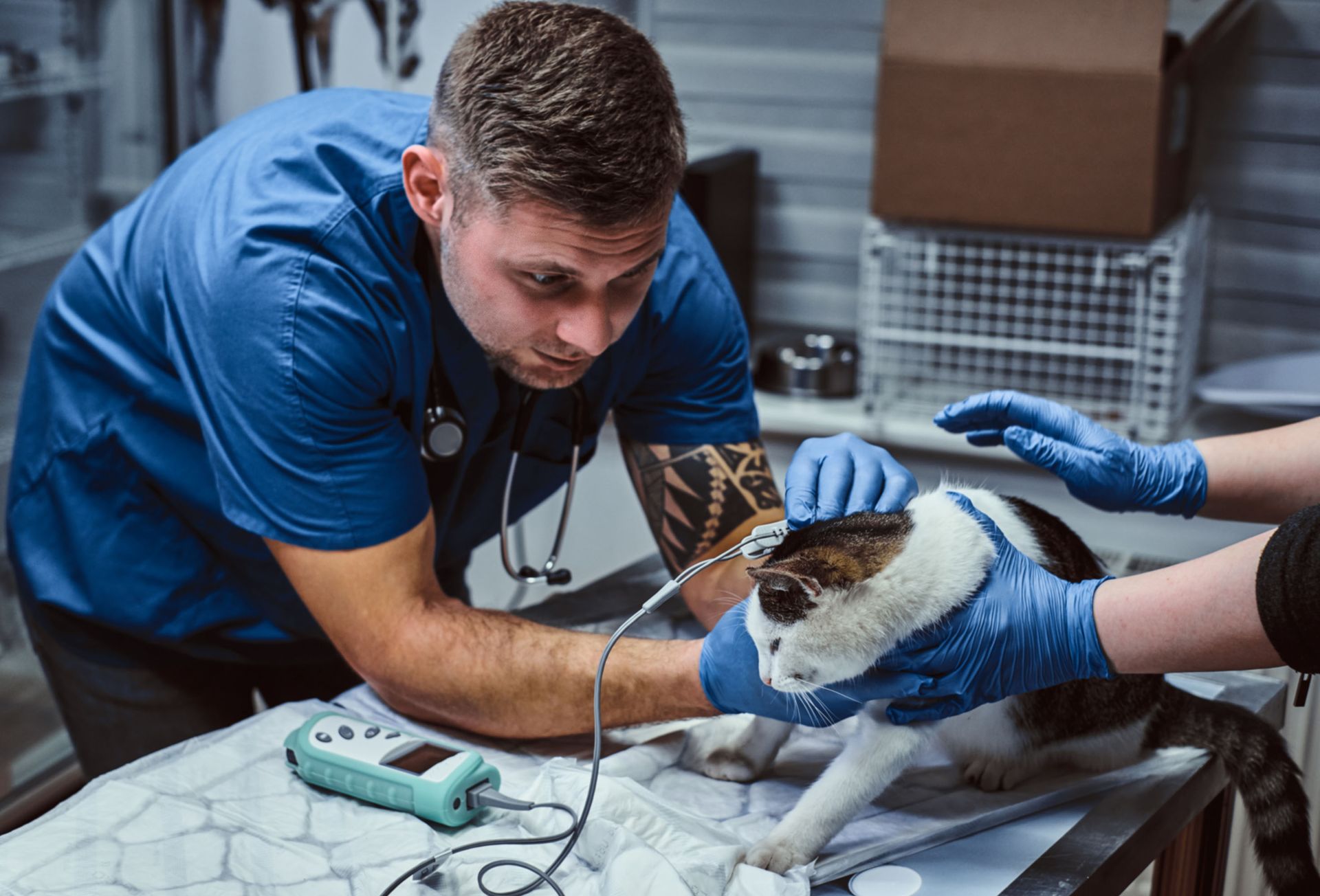
The physical arrival at an emergency facility can feel incredibly intense, as your mind is naturally focused on the comfort and safety of your sick or injured companion. Unlike standard veterinary practices that operate on a rigid, pre-arranged schedule, an urgent care facility operates on a system of medical priority, which is designed to ensure that the most critical patients receive immediate care. As soon as you walk through the entrance doors, a skilled veterinary nurse or triage technician will greet you and perform a rapid assessment of your pet's physical status. This starting evaluation involves checking key indicators of health, including breathing rate, gum color, alertness, and general responsiveness. If your pet is experiencing a life-threatening crisis, such as severe respiratory distress, active bleeding, or loss of consciousness, they will be taken directly to the treatment area for immediate stabilization. For stable patients, the triage process ensures they are placed in a comfortable waiting area while the medical team manages incoming cases. This structured approach to patient care ensures that every animal is assessed safely and fairly, prioritizing those in greatest need of immediate intervention.
Complete Patient History
After your companion is settled in an examination room, a veterinary technician will join you to compile a comprehensive record of your pet's health and the current medical issue. This stage of the consultation is highly collaborative, relying on your detailed observations of your pet's daily habits, behavior, and symptoms. The technician will ask detailed questions regarding when the abnormal signs started, how quickly they have progressed, and whether your pet has had access to toxic substances, foreign objects, or harmful foods. You will also discuss your pet's medical history, including ongoing health issues, current medications, dietary preferences, and vaccination status. Providing a clear, detailed timeline of your pet's symptoms helps the medical team narrow down potential causes and plan appropriate diagnostic tests. It is helpful to bring any current medication bottles or medical records from your primary veterinarian to ensure absolute accuracy during this discussion. This meticulous gathering of information establishes a solid foundation for the veterinarian's assessment, ensuring that no vital detail is overlooked during the clinical evaluation.
Detailed Physical Examination
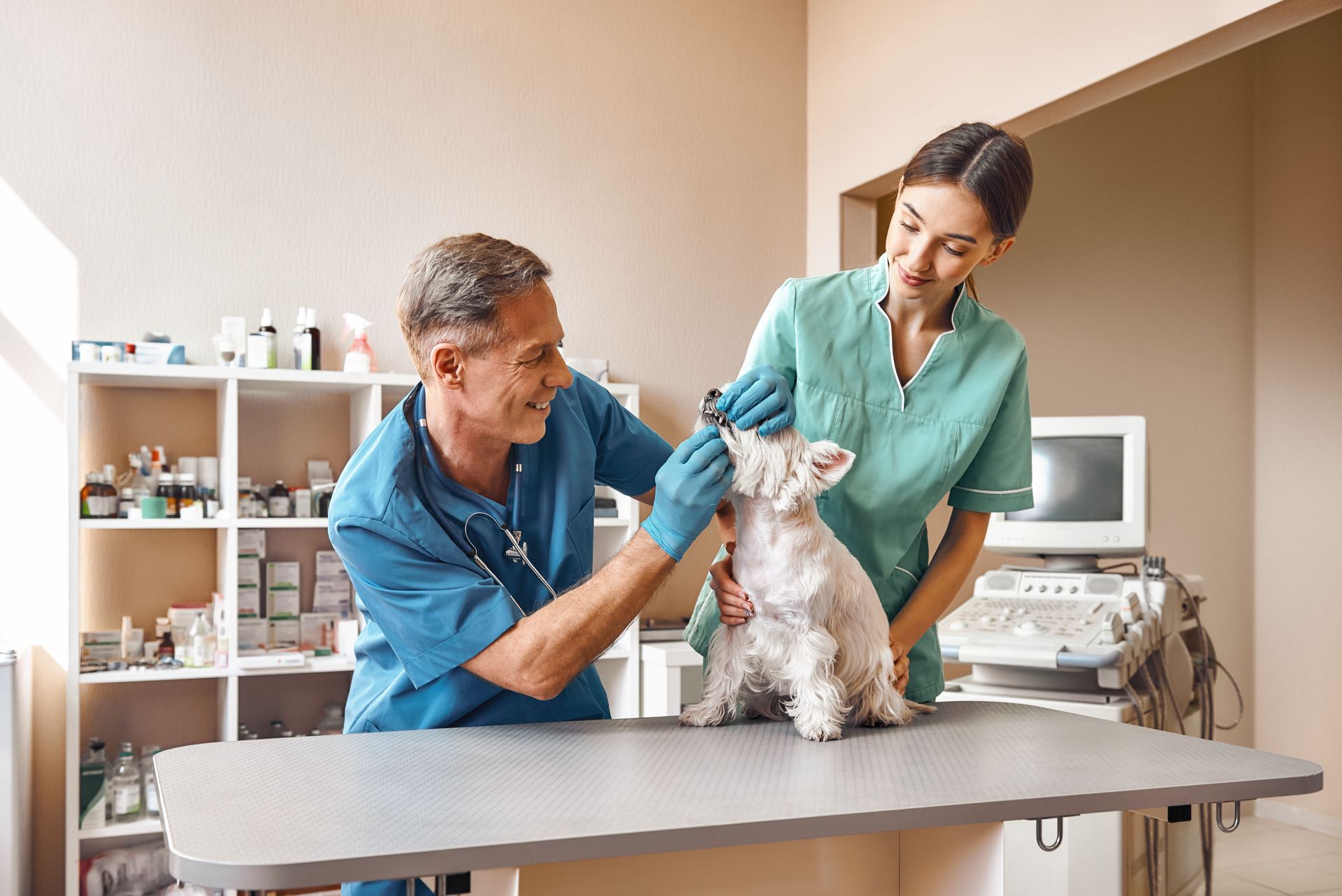
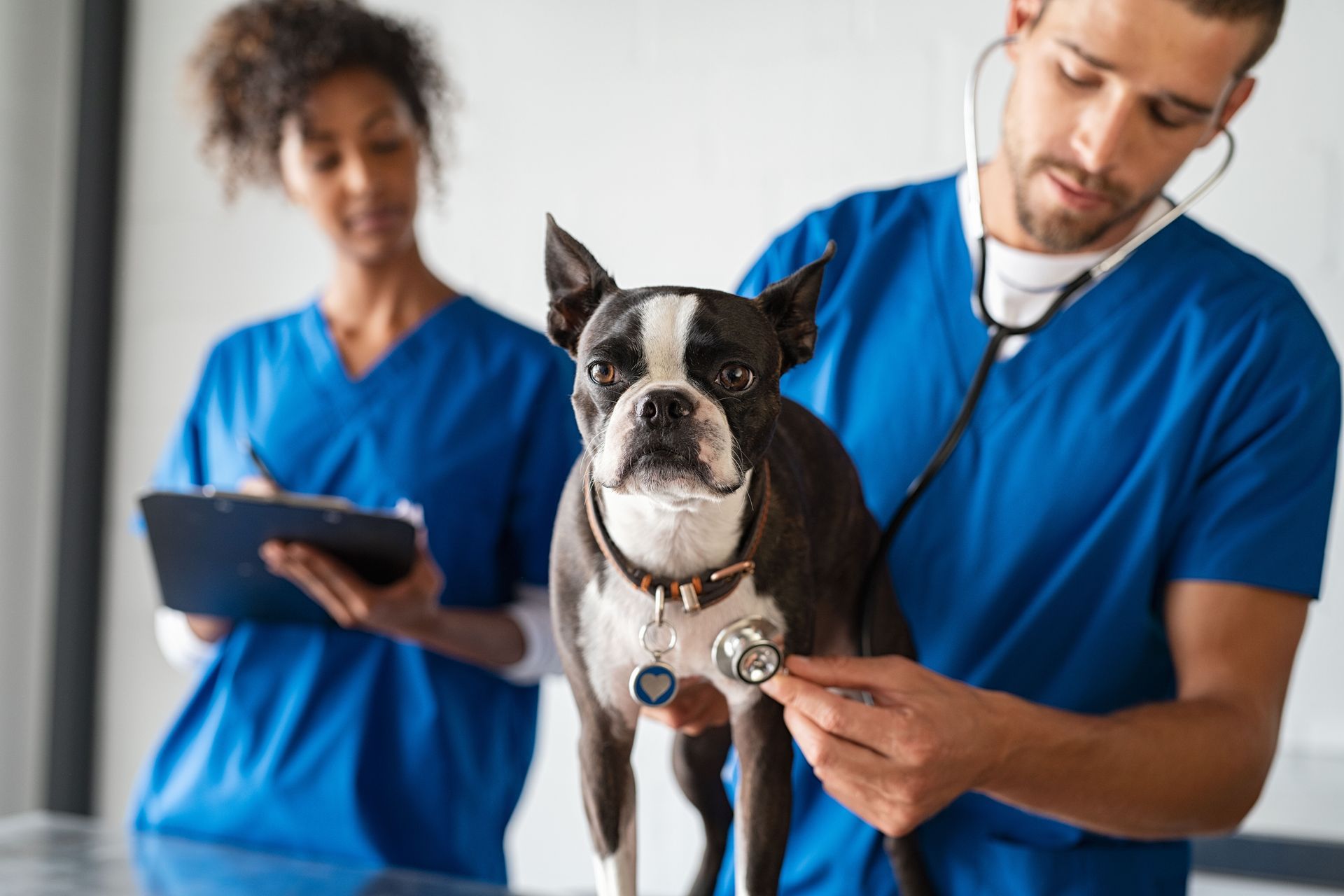
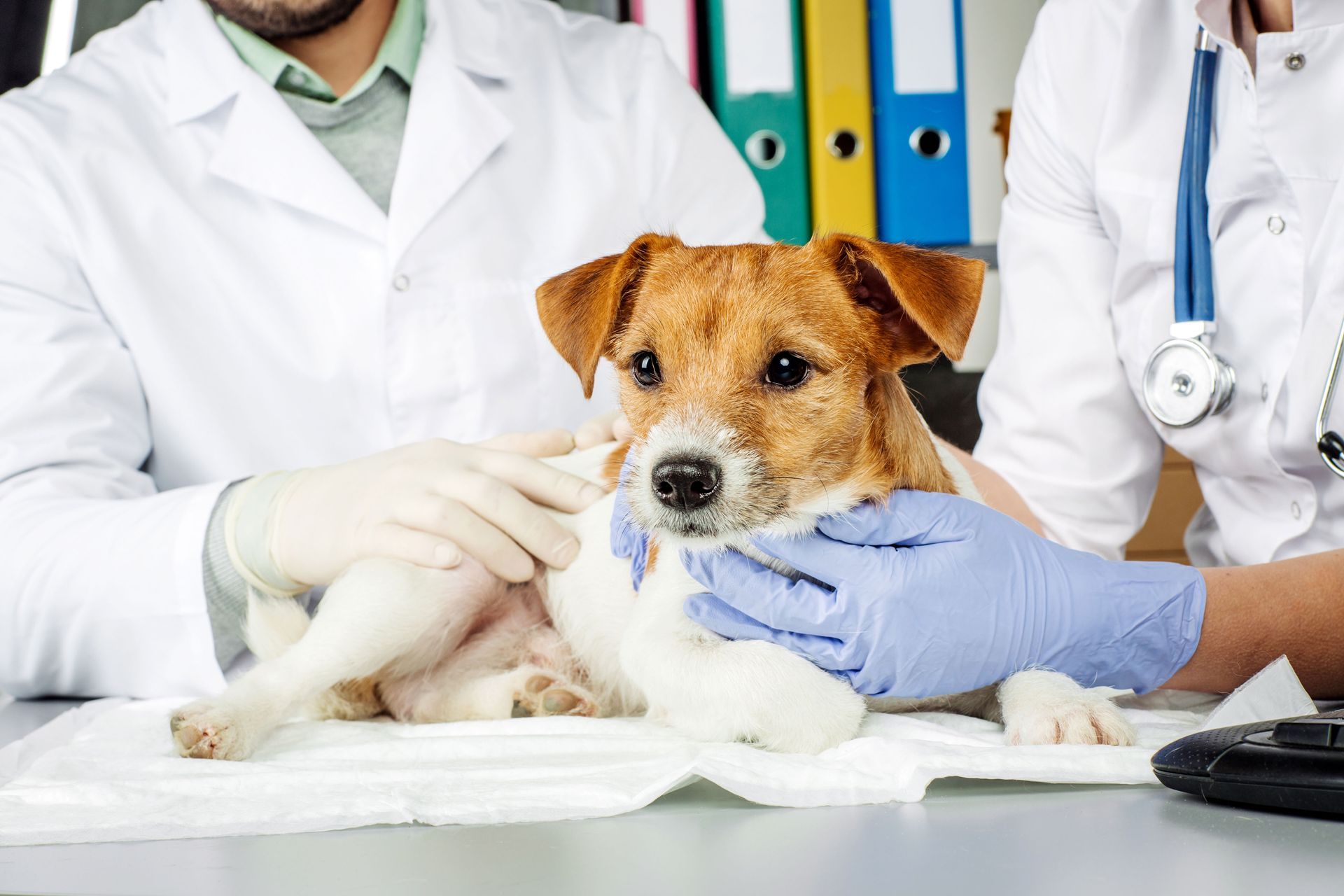
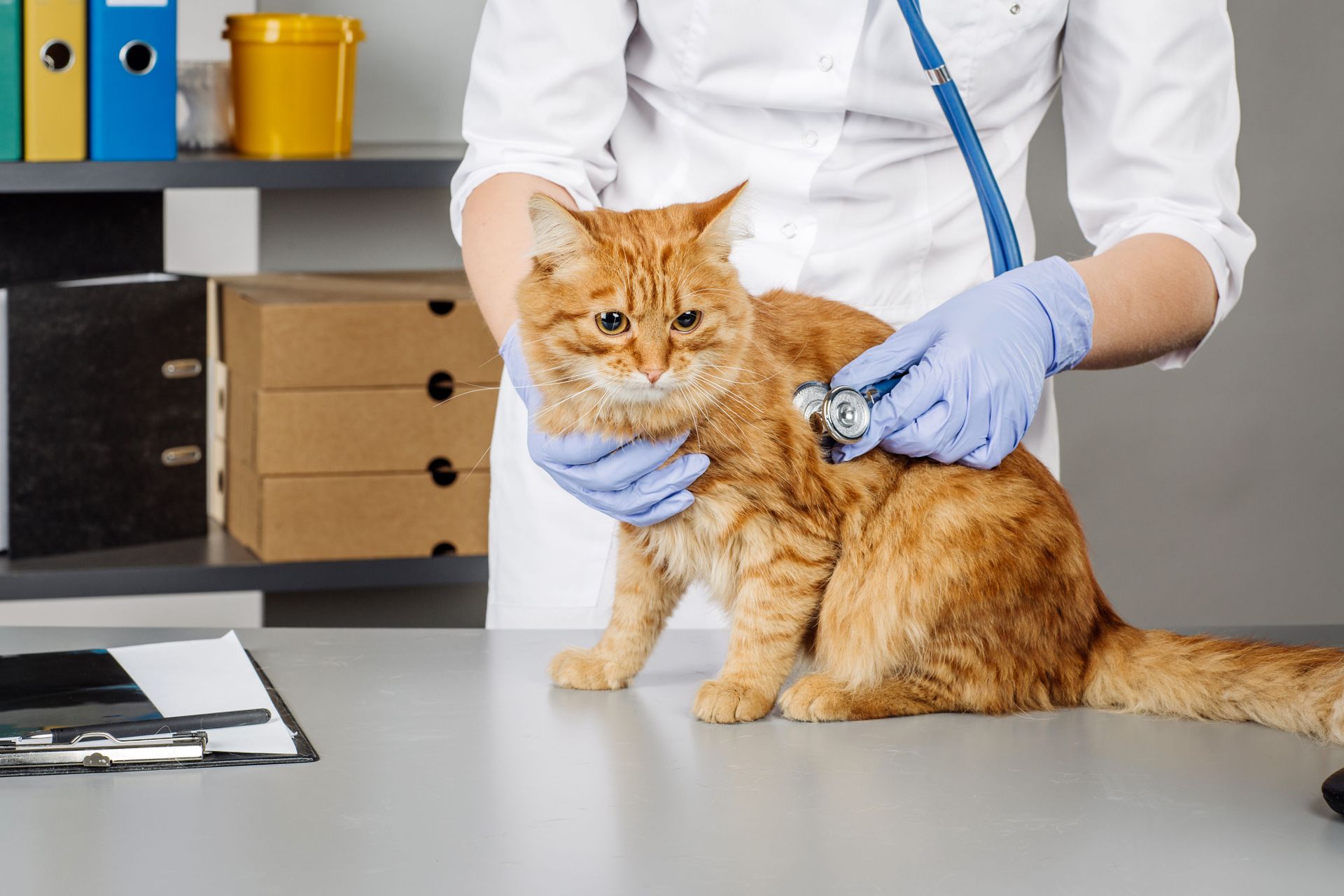
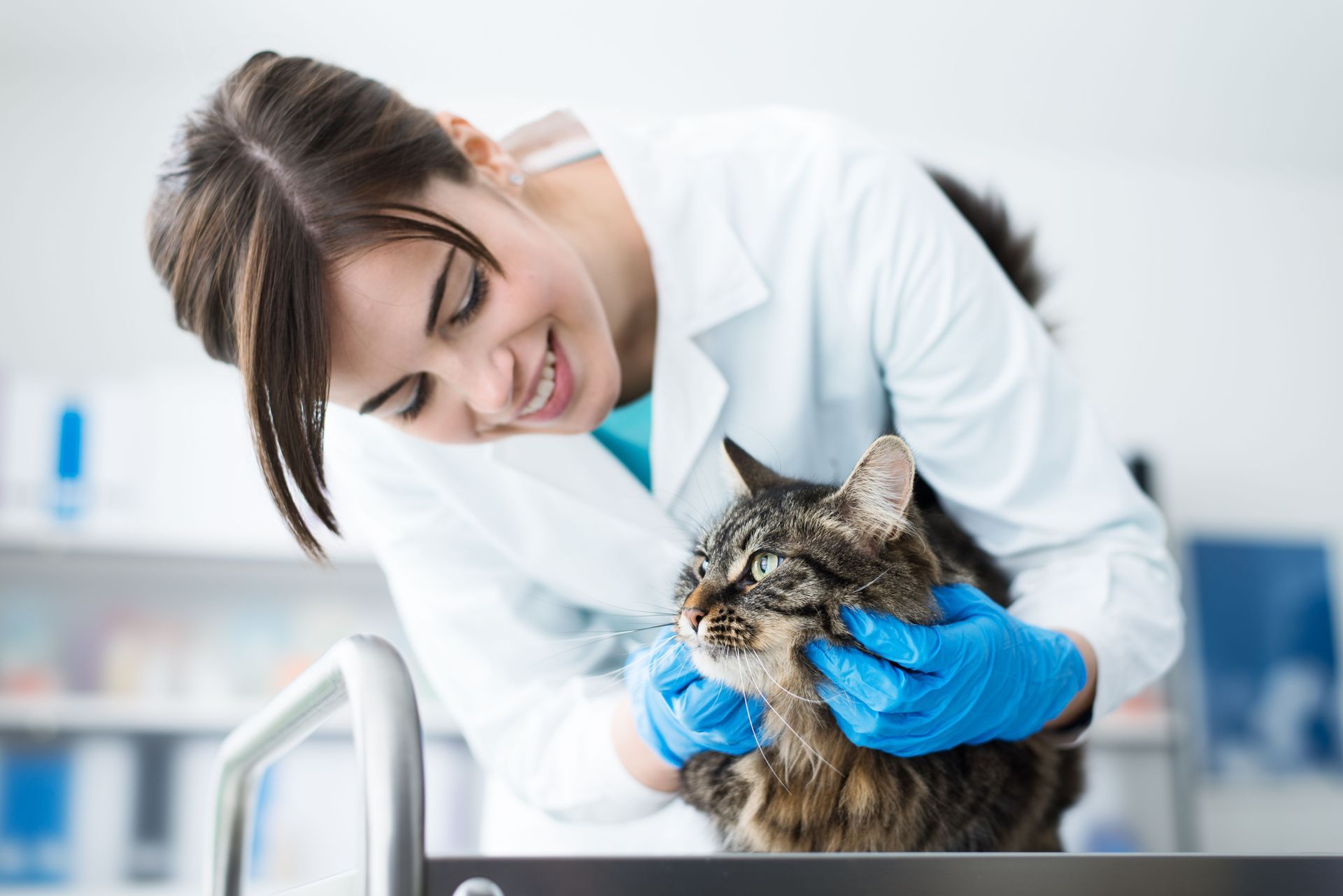
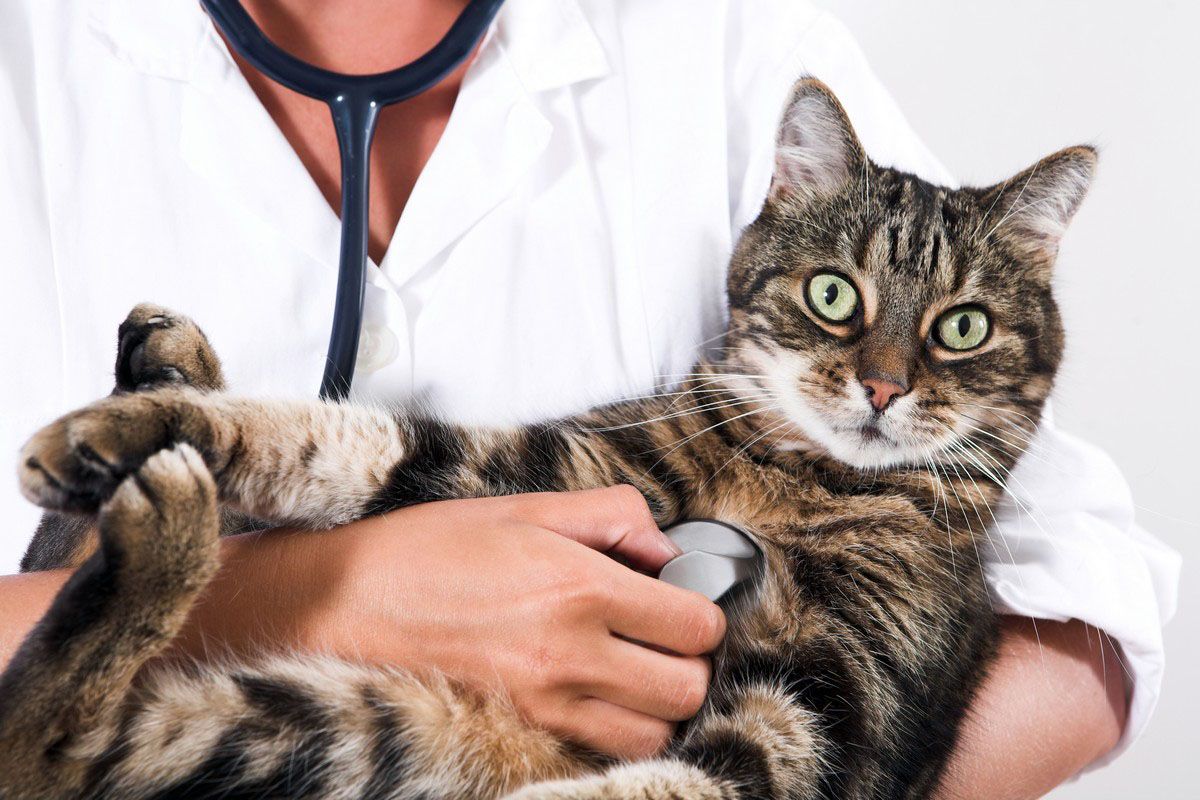
Following the history collection, the veterinarian will enter the examination room to perform a comprehensive physical assessment of your companion. This clinical evaluation is highly systematic, designed to check every major biological system while keeping your pet as calm and comfortable as possible. The doctor will carefully examine your pet's eyes for signs of pressure, check the ears for inflammation, listen to the heart and lungs with a stethoscope, and gently palpate the abdomen to feel for pain, fluid accumulation, or unusual masses. They will also assess your pet's joints, skin, temperature, and hydration levels, looking for subtle physical clues that indicate the underlying cause of discomfort. Because animals cannot communicate their pain verbally, veterinarians rely on their extensive clinical training and gentle physical handling to detect areas of tenderness or physical abnormalities. Throughout this examination, the veterinarian will explain their findings in plain, simple language, helping you understand what is happening inside your pet's body and answering your questions with compassion and professional clarity.
Essential Diagnostic Tests
To arrive at an accurate diagnosis and design an effective treatment plan, the veterinarian will frequently recommend specialized diagnostic testing based on their physical findings. Modern urgent care facilities are equipped with advanced, on-site laboratory systems and imaging technologies that allow for rapid analysis of your pet's internal health. These resources may include digital radiography to inspect skeletal structures and organs, ultrasound imaging to evaluate fluid dynamics, and comprehensive blood panels to check liver, kidney, and metabolic functions. Having access to these immediate results is critical during a crisis, as delaying treatment while waiting for external laboratory processing can compromise patient outcomes. The global demand for these advanced, rapid diagnostic and emergency services is immense, reflecting the universal importance of companion animals in modern households. Companion animals held 55% of the veterinary emergency care market share in 2025, according to Mordor Intelligence. This substantial market share demonstrates how deeply families value high-quality, professional intervention when their pets face sudden health challenges. Utilizing these precise diagnostic tools allows the medical team to identify the exact cause of your pet's symptoms, ensuring that subsequent treatments are grounded in objective scientific data.
Customized Treatment Plan
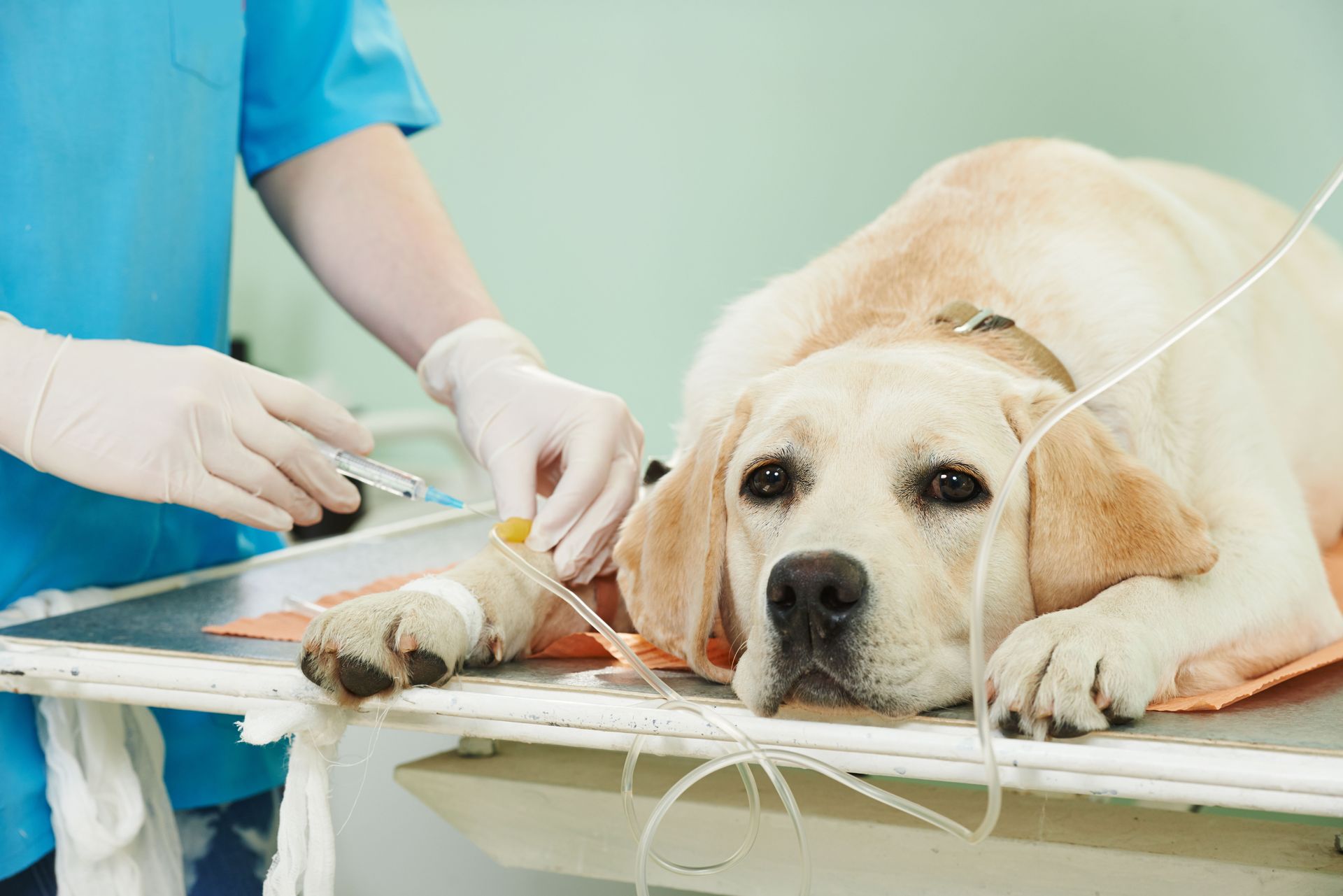
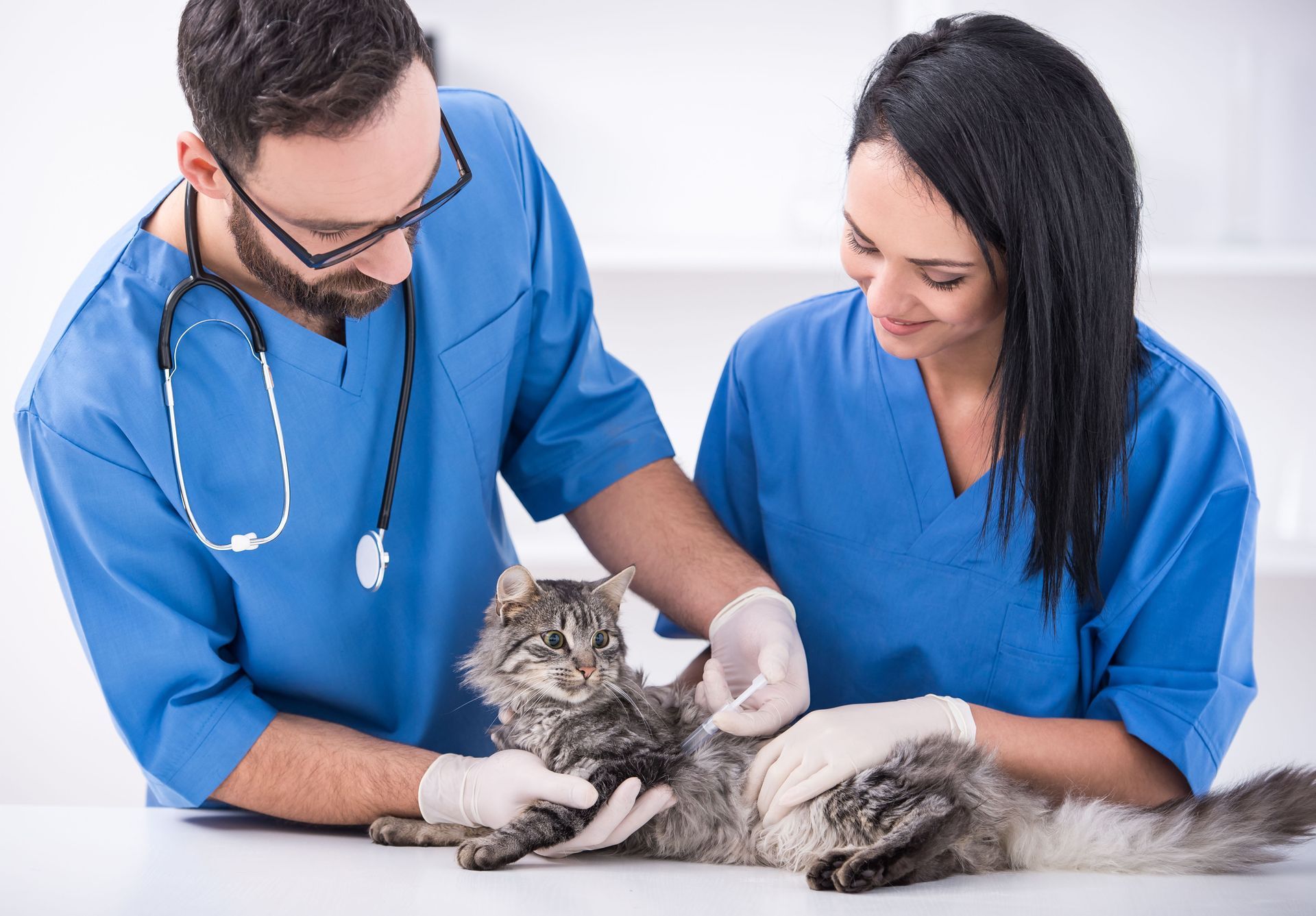
After analyzing the diagnostic results, the veterinarian will sit down with you to discuss the final diagnosis and outline a customized treatment strategy for your companion. This discussion will cover the available medical options, the associated costs, and the expected prognosis for your pet's recovery. Depending on the severity of the condition, treatment may involve administering intravenous fluids to combat dehydration, providing specialized pain medications, prescribing antibiotics for infections, or performing emergency surgical procedures. The veterinarian will help you understand the risks and benefits of each option, empowering you to make informed decisions that align with your family's wishes and your pet's comfort. For patients requiring continuous monitoring and intensive care, the doctor may recommend admitting your pet to the hospital for overnight observation. If outpatient care is appropriate, the medical team will provide detailed, written instructions on how to administer medications, manage wound care, and monitor your pet's progress at home, ensuring a safe and successful recovery.
At Emergency Animal Hospital of Crystal Falls, our team is deeply committed to helping you navigate the stressful experience of an unexpected pet health crisis with complete confidence, compassion, and professional care. We understand that your pet is a precious, irreplaceable member of your family, and we are dedicated to providing the rapid triage, advanced diagnostics, and life-saving treatments your companion deserves to heal safely. Our team is passionate about serving as your trusted advocate during high-stakes moments, ensuring that every consultation in our state-of-the-art facility is structured to prioritize your pet's comfort, relieve their pain, and restore your peace of mind. We warmly invite you to contact us today to schedule your comprehensive consultation, and let us work together to build a strong, healthy, and vibrant foundation for your pet's future. We look forward to working with you and meeting your furry friend soon!

Share On: