When to Take Your Pet to an Emergency Vet Clinic
Pets can become sick or injured unexpectedly, and recognizing the difference between a minor concern and a true emergency can be difficult. While some symptoms can wait for a scheduled appointment, others require immediate medical attention. Knowing when to seek help from emergency vet clinics can help pet owners respond quickly when their animal’s health is at risk.
According to the American Pet Products Association, an estimated 30% of pets need emergency veterinary treatment each year. That statistic highlights how common unexpected medical situations can be. Preparing for the possibility of an emergency before one occurs can make it easier to stay calm and make informed decisions.
Pet owners should pay attention to sudden changes in behavior, physical condition, breathing, mobility, and appetite. When something appears seriously wrong, contacting emergency vet clinics or heading directly to a veterinary facility may provide the timely care a pet needs.
Recognizing Signs of a Pet Emergency
Some pet emergencies are obvious. Severe injuries, uncontrolled bleeding, or difficulty breathing require immediate attention. However, other serious conditions may begin with symptoms that are easier to overlook. Understanding common warning signs can help owners determine when an emergency visit is appropriate.
Difficulty breathing is one of the most serious symptoms. A pet that is struggling for air, breathing rapidly without explanation, or showing blue or pale gums should receive immediate veterinary attention. Breathing problems can worsen quickly and may be associated with heart conditions, allergic reactions, respiratory illnesses, or other serious medical issues.
Loss of consciousness, seizures, or sudden collapse should also be treated as emergencies. A seizure that lasts for an extended period or multiple seizures occurring close together can require prompt medical intervention. Even if a pet appears to recover, a veterinarian may need to determine what caused the episode.
Severe vomiting or diarrhea can also become dangerous, particularly when symptoms are frequent or accompanied by weakness, blood, or signs of dehydration. Pets can become dehydrated quickly, especially young, elderly, or small animals.
Sudden changes in behavior may also indicate a medical problem. A normally active pet that becomes unusually weak, confused, or unresponsive should be evaluated. Similarly, sudden and severe pain, excessive vocalization, or an inability to stand or walk normally can indicate an injury or underlying medical condition.
Identifying Common Pet Emergencies
Pets can experience many different medical emergencies, ranging from accidental injuries to sudden illnesses. Some situations require immediate treatment because waiting could allow the condition to become significantly worse.
Poisoning is a common reason for emergency veterinary visits. Pets may accidentally consume medications, household chemicals, toxic foods, plants, or other harmful substances. Chocolate, certain artificial sweeteners, grapes, and some human medications can be dangerous to dogs, while cats may be exposed to hazards that are toxic specifically to them.
If poisoning is suspected, owners should contact a veterinary professional immediately. It can be helpful to bring the product packaging or provide information about what the pet consumed and approximately how much was ingested. Owners should avoid attempting home remedies unless specifically instructed to do so by a veterinary professional.
Traumatic injuries are another common emergency. Pets can be injured in vehicle accidents, falls, fights with other animals, or other unexpected situations. Even when an animal appears relatively normal after an accident, internal injuries may not be immediately visible. Prompt evaluation can help identify injuries that are not apparent from the outside.
Obstructions are also potentially serious. Pets sometimes swallow toys, bones, fabric, socks, or other objects that can become lodged in the digestive tract. Symptoms may include repeated vomiting, abdominal discomfort, loss of appetite, or difficulty passing stool. An intestinal obstruction can become life-threatening without appropriate treatment.
Understanding How Emergency Vet Clinics Operate
Emergency veterinary facilities provide medical care for pets experiencing urgent or life-threatening conditions. Unlike a traditional veterinary appointment, emergency care is generally focused on assessing the severity of a pet's condition and providing treatment as quickly as possible.
Many emergency vet clinics operate outside regular business hours, including nights, weekends, and holidays. Some facilities provide around-the-clock care, while others offer specific emergency hours. Availability can vary by location, so pet owners should identify nearby options before an emergency occurs.
When a pet arrives, the veterinary team may perform a process known as triage. Animals with the most serious and life-threatening conditions are typically evaluated first. This means a pet with a less severe problem may need to wait while the staff treats an animal requiring immediate intervention.
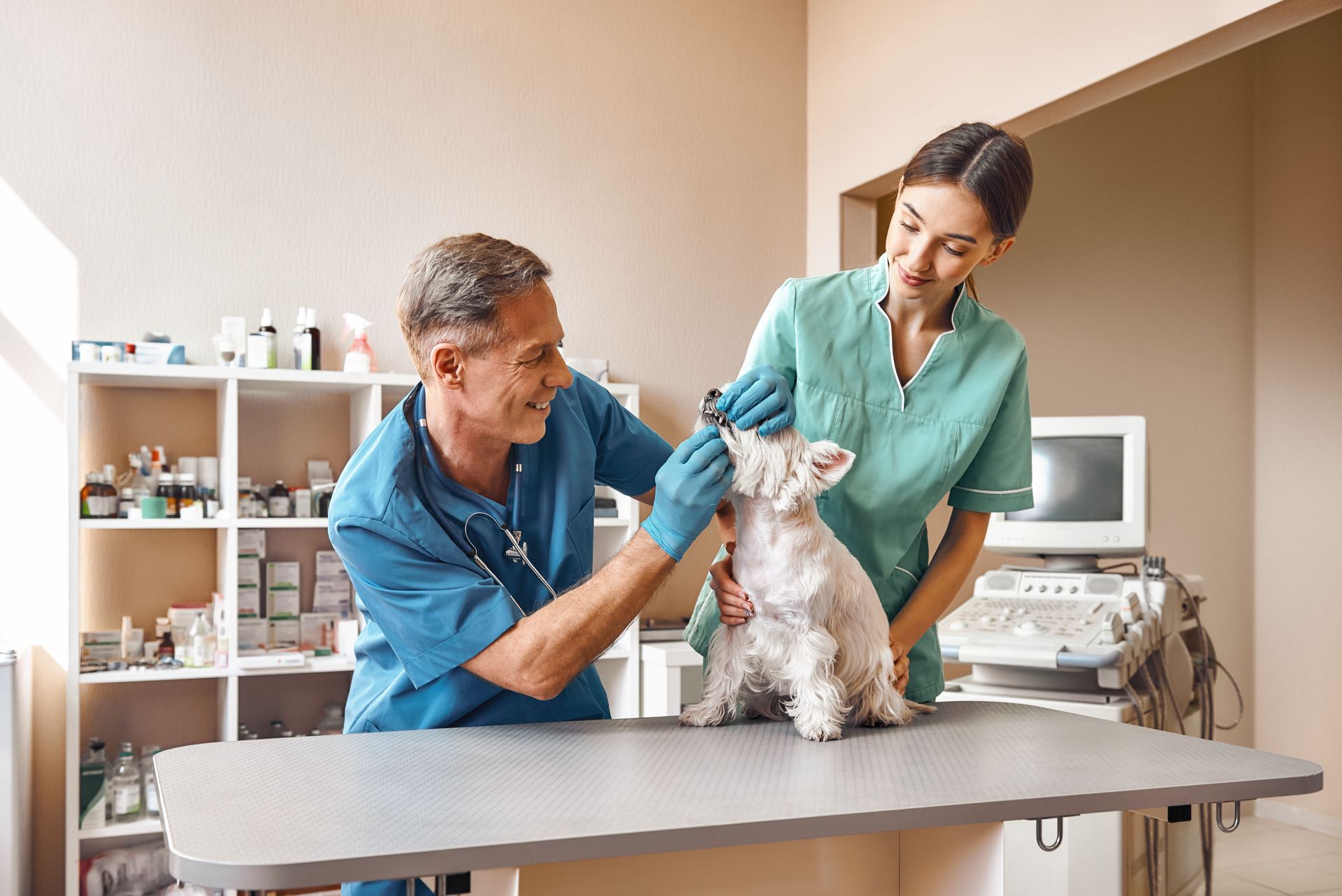
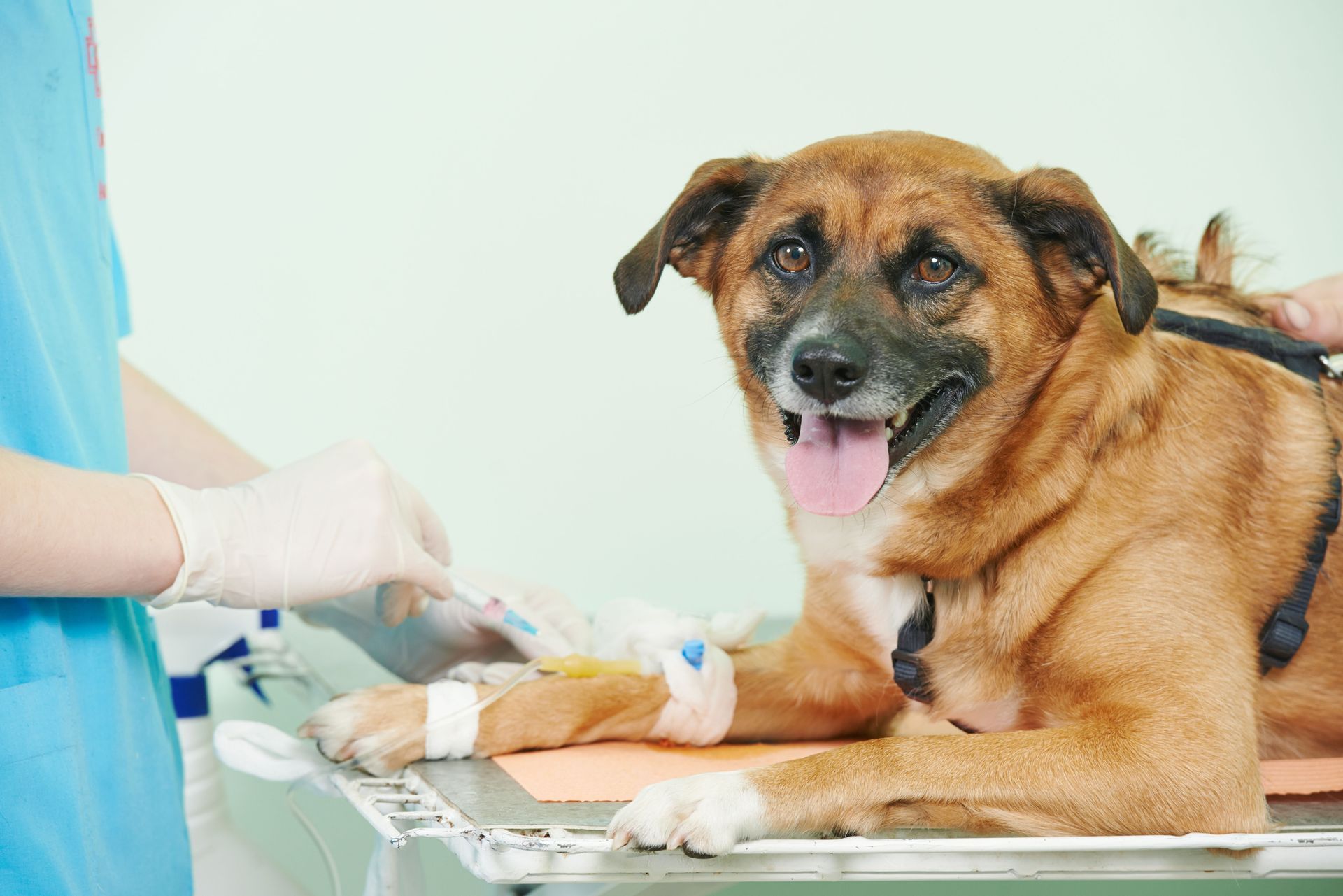
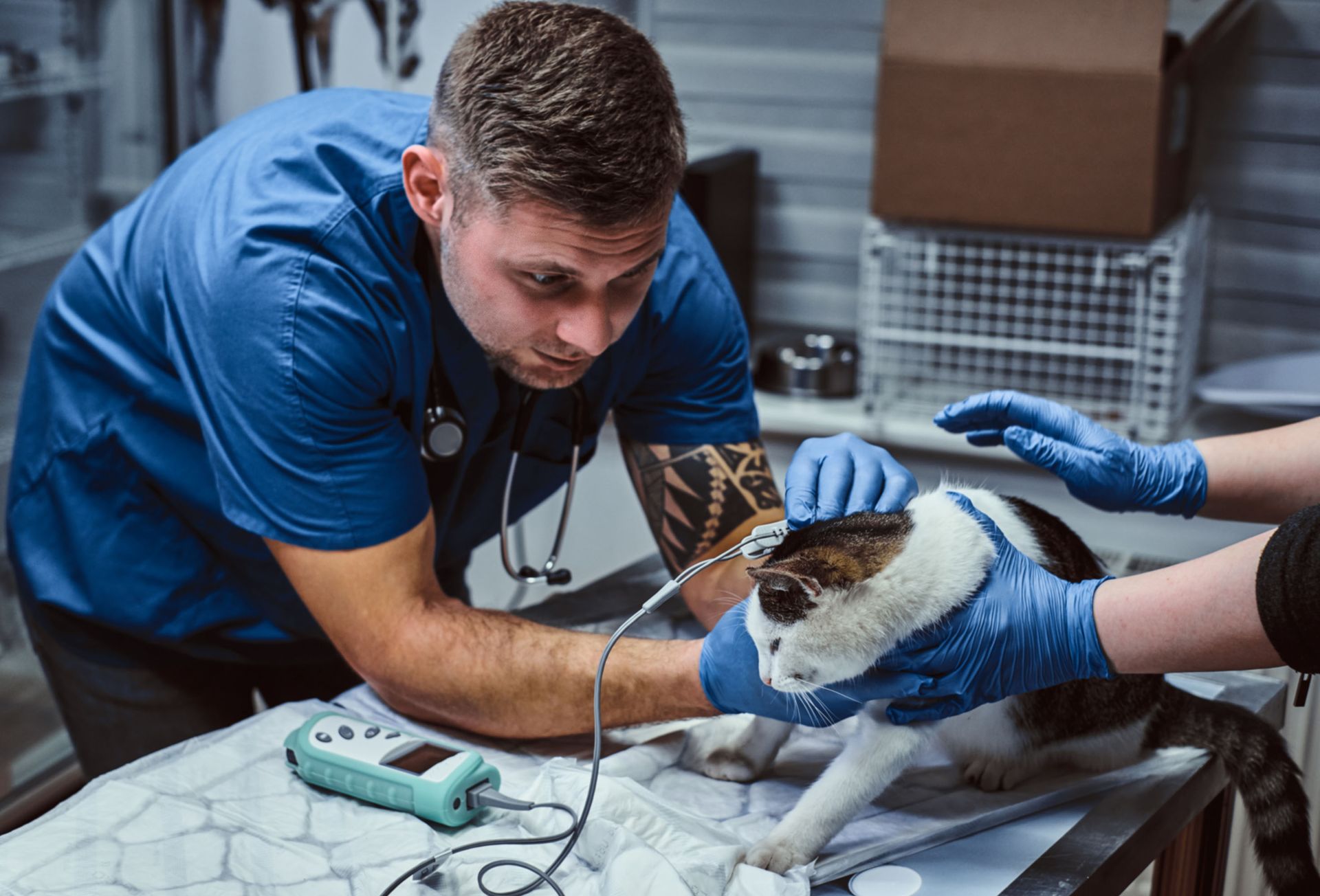
Depending on the situation, the veterinary team may perform diagnostic tests such as blood work, X-rays, ultrasounds, or other examinations. Treatment may involve medication, intravenous fluids, wound care, surgery, or hospitalization.
Preparing for an Emergency Vet Visit
A pet emergency can be stressful, but bringing important information can help the veterinary team evaluate the situation more efficiently. Whenever possible, owners should gather essential items before leaving for the clinic.
Medical information can be particularly helpful. This may include a list of the pet's current medications, known allergies, previous medical conditions, and recent treatments. If the pet has received care from another veterinarian, relevant records may also be useful.
Owners should also bring information related to the emergency itself. If a pet consumed something potentially toxic, bringing the container or packaging can help the veterinary team identify the substance. If an injury occurred, providing details about how and when it happened may help with diagnosis and treatment.
For safety during transportation, dogs should generally be secured with a leash, harness, or appropriate restraint. Cats and smaller pets should be transported in a secure carrier whenever possible. An injured or frightened animal may react differently than usual, and even a normally gentle pet may bite or scratch when experiencing pain.
It may also be useful to call emergency vet clinics while traveling if doing so will not delay getting care. Calling ahead can allow the facility to prepare for a pet's arrival and provide instructions based on the situation.
Choosing the Right Emergency Vet Clinic
Pet owners should ideally research emergency veterinary options before they are needed. During an emergency, there may be little time to compare facilities, check operating hours, or determine which clinic can provide the necessary services.
Location is an important consideration. A nearby facility may be preferable when a pet requires immediate attention, particularly if the animal is experiencing a life-threatening condition. Pet owners should know where the closest emergency facility is located and how long it typically takes to get there.
Available services should also be considered. Different emergency vet clinics may have different equipment, staffing levels, and capabilities. Some facilities may provide advanced diagnostic testing, surgical services, intensive care, and overnight hospitalization, while others may have more limited resources.
Operating hours are another important factor. A clinic that provides 24-hour emergency care may be available whenever an unexpected situation occurs. However, other facilities may only offer emergency services during evenings, weekends, or specific hours.
Pet owners can also ask their regular veterinarian for recommendations. A primary veterinary practice may have an established relationship with a local emergency facility or provide information about where patients should go after regular business hours.
Responding Quickly to Pet Emergencies
Recognizing a pet emergency and seeking care promptly can make an important difference when an animal is seriously ill or injured. Symptoms such as difficulty breathing, uncontrolled bleeding, seizures, sudden collapse, severe pain, suspected poisoning, and traumatic injuries should not be ignored.
Because unexpected medical problems can affect pets at any time, owners should prepare before an emergency occurs. Researching nearby
emergency vet clinics, saving important contact information, and knowing the warning signs of serious medical conditions can make it easier to respond quickly.
While not every health concern requires immediate treatment, it is important to take serious symptoms seriously. When there is uncertainty about a pet's condition, contacting a veterinary professional can help owners determine the appropriate next step.
Emergency vet clinics provide essential services when pets need urgent medical attention outside the scope of a routine appointment. By recognizing potential emergencies, preparing for an unexpected situation, and knowing where to go for help, pet owners can make more informed decisions and act quickly when their animals need care. If you're looking for an emergency vet clinic, reach out to Emergency Animal Hospital of Crystal Falls today!

Share On: