What Happens During Emergency Pet Surgery?
Watching a beloved companion experience a sudden medical crisis is one of the most frightening moments a pet owner can face. Across the country, tens of millions of households, roughly 86.9 million, according to Newsweek, share their lives with four-legged family members, making urgent veterinary care an essential part of responsible pet ownership. When severe trauma, sudden illness, or accidental ingestion strikes, rushing to an animal emergency hospital provides the rapid, lifesaving intervention your pet needs. Understanding the step-by-step surgical process helps ease anxiety and empowers you to make confident decisions when every second counts.
Understand Emergency Pet Surgery
Emergency pet surgery encompasses urgent, unplanned operative procedures designed to treat life-threatening injuries or acute medical conditions. Unlike routine spays or dental cleanings, these interventions happen under intense time pressure to stop internal bleeding, relieve organ blockages, or repair severe physical trauma. Veterinary surgeons rely on rapid clinical judgment and deep anatomical expertise to stabilize critical patients before complications escalate. Every minute matters when an animal arrives in distress at an animal emergency hospital.
Several common crises frequently push pets into the operating room without warning. Vehicular accidents often cause deep lacerations, internal organ damage, or complex bone fractures requiring immediate surgical repair. Curious pets also swallow socks, toys, or toxic items that create dangerous gastrointestinal obstructions, while conditions like gastric dilatation-volvulus, urinary blockages, and severe uterine infections demand swift action. Recognizing warning signs such as persistent vomiting, pale gums, excessive bleeding, or sudden collapse allows owners to seek help before a condition turns fatal.
Assess and Stabilize the Patient
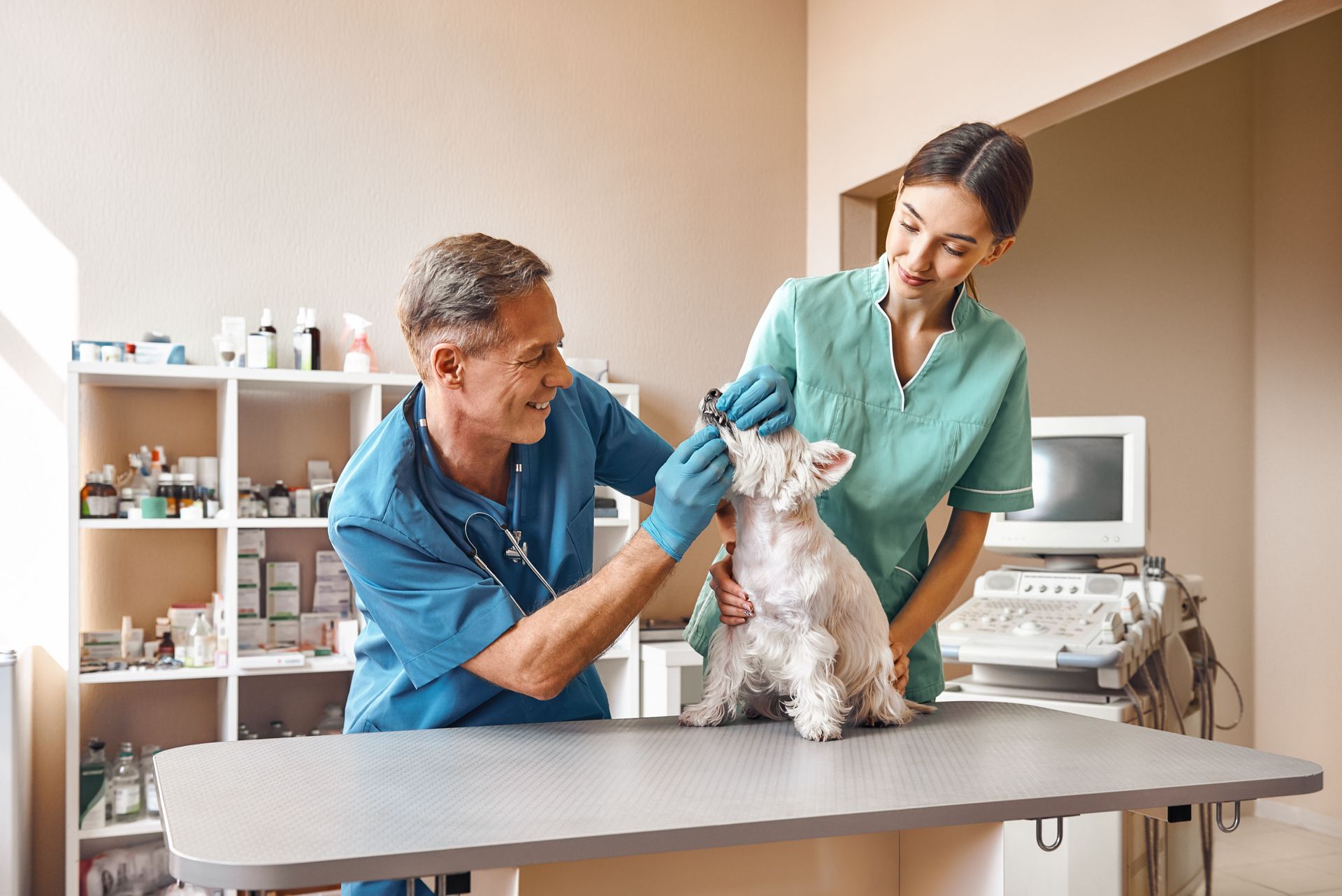
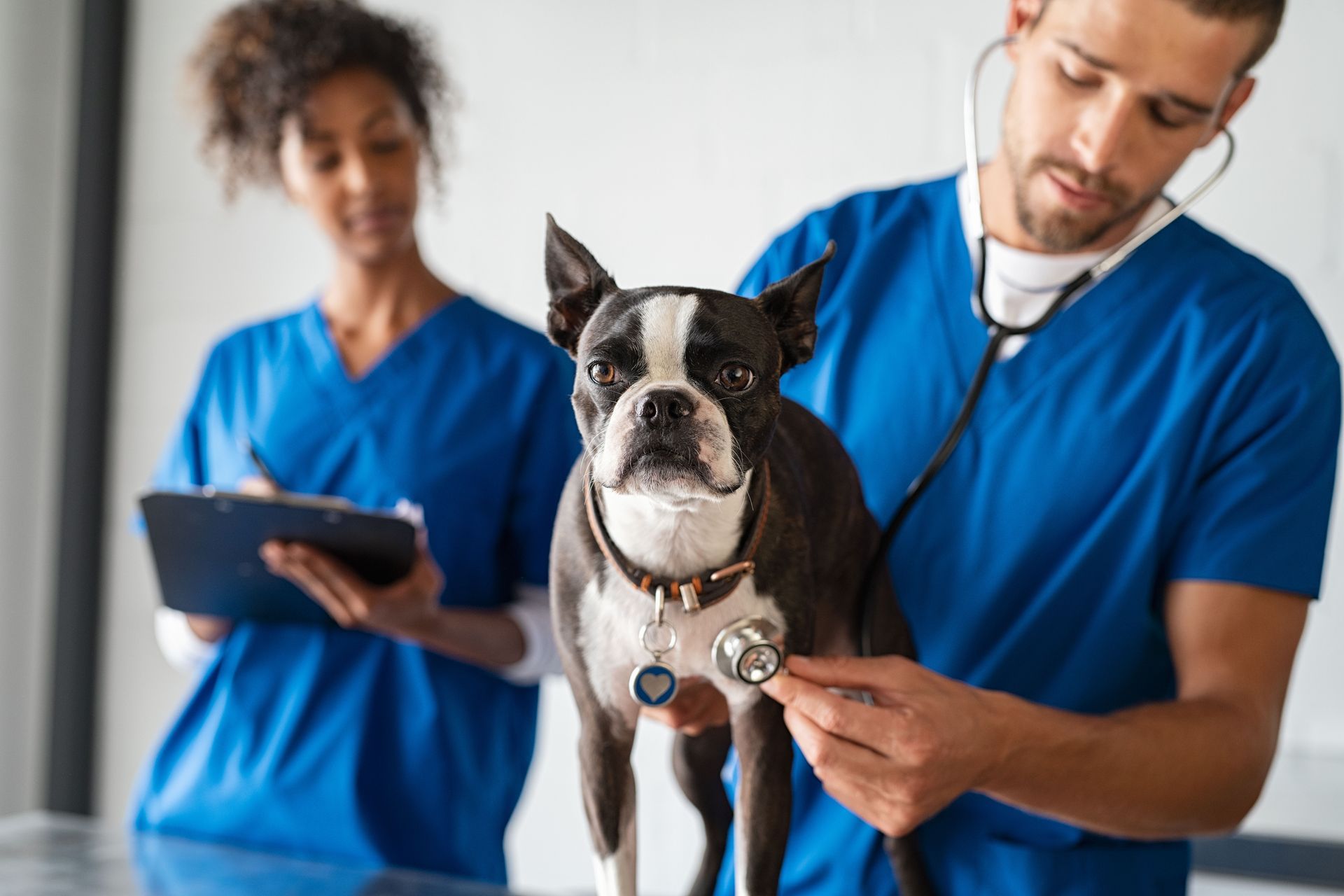
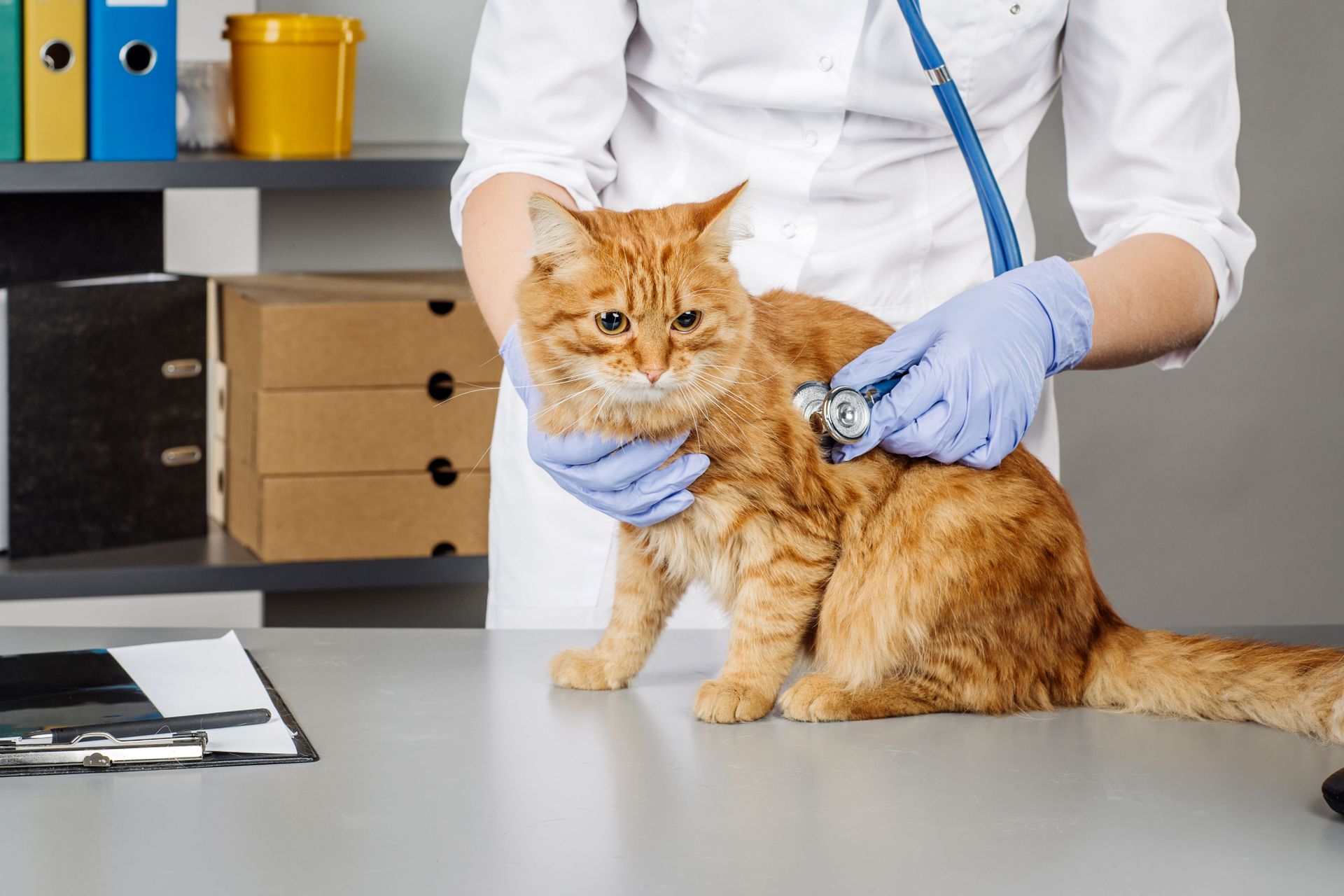
Before a pet ever enters the operating suite, the veterinary team conducts a rapid triage and physical examination to evaluate immediate threats to life. Clinicians check heart rate, respiratory effort, blood pressure, and mucous membrane color to gauge shock or blood loss. Diagnostic tools such as blood panels, digital X-rays, and abdominal ultrasounds quickly pinpoint internal injuries, clotting disorders, or hidden foreign objects. Gathering this vital data allows the surgical team at an animal emergency hospital to build a targeted operative plan without wasting precious time.
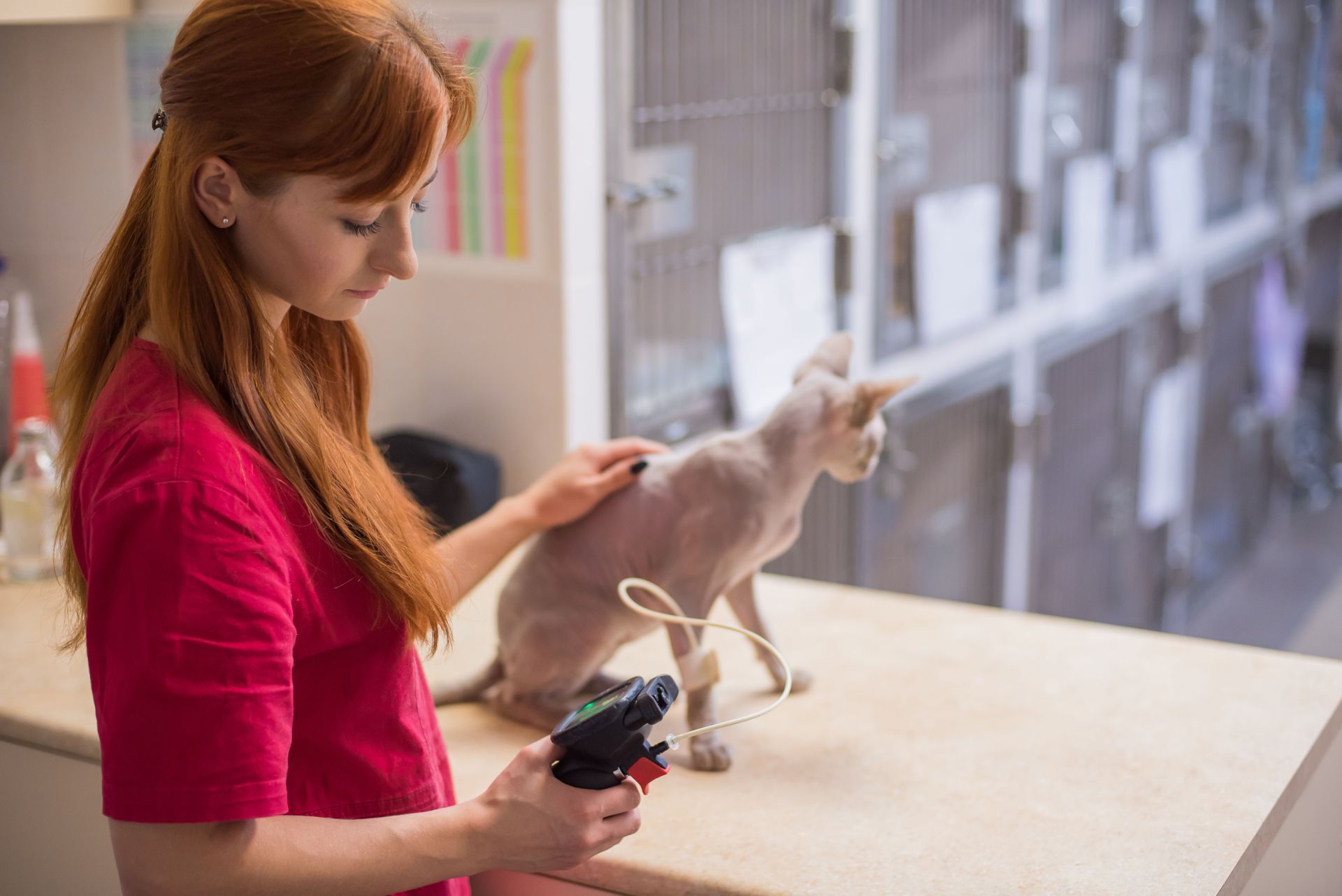
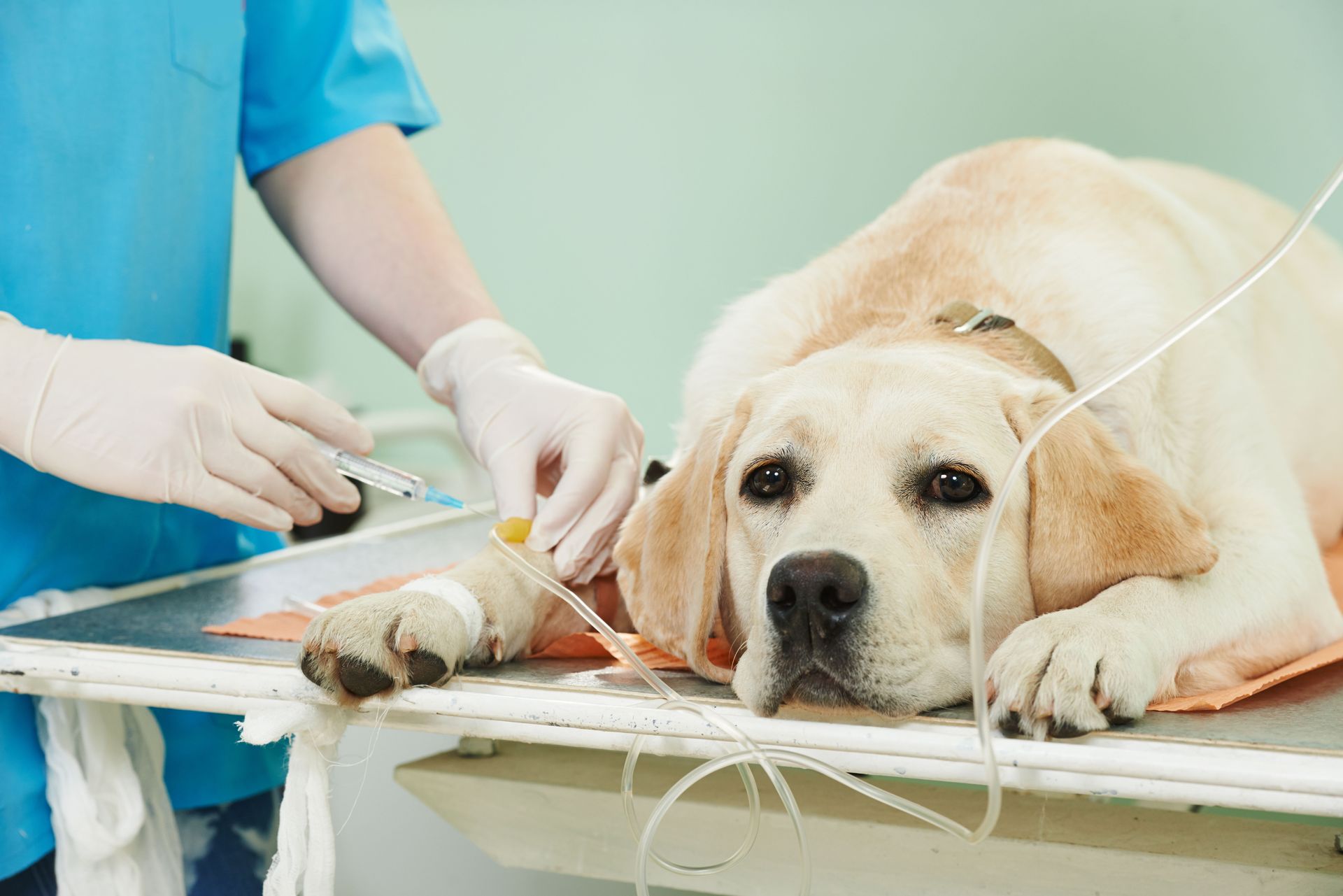
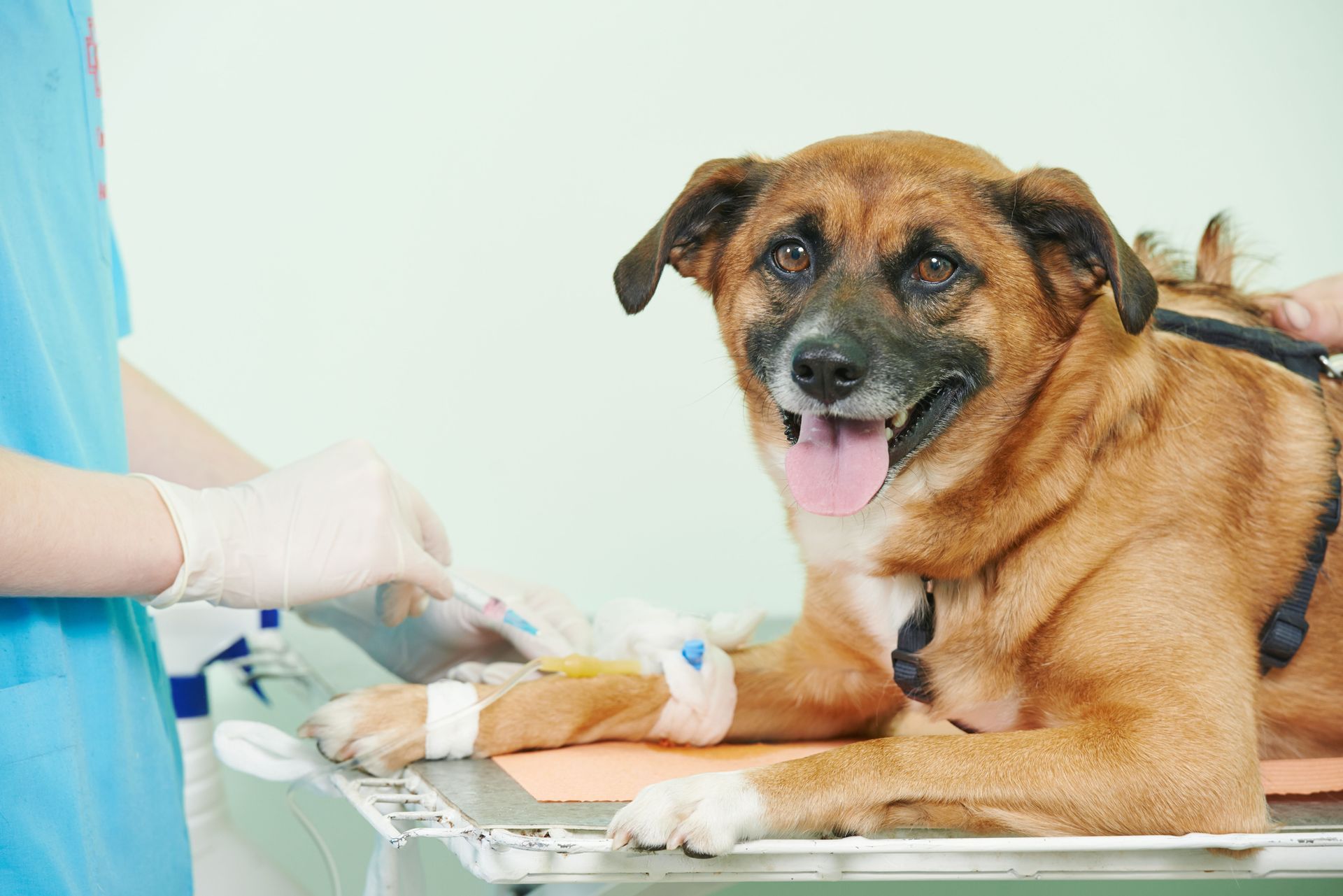
Stabilizing the patient is equally critical before administering general anesthesia. Veterinary technicians place intravenous catheters to deliver life-supporting fluids, restore circulation, and correct severe dehydration. Oxygen therapy supports struggling lungs, while targeted pain medications relieve acute distress and lower dangerous stress hormone spikes. Taking a brief window to stabilize vital signs dramatically improves surgical survival rates and reduces anesthetic complications once the procedure begins.
Communicate With the Veterinary Team
Clear, compassionate communication between the veterinary team and the pet owner forms the foundation of emergency care. Once diagnostic results confirm the need for surgery, the attending veterinarian explains the diagnosis, the proposed surgical procedure, potential risks, and the expected prognosis. Honest conversations about financial estimates and post-operative recovery help families weigh their options with clarity rather than panic. Informed owners become active partners in their pet's care, giving timely consent so the medical team can move forward immediately.
Behind the scenes, a coordinated group of specialists prepares to execute the operation seamlessly. The lead veterinarian directs the surgical strategy, while licensed veterinary technicians prepare sterile instruments and track vital parameters. Dedicated anesthesia personnel calculate customized drug protocols based on the pet's species, age, weight, and current organ function. Watching an experienced crew operate inside an animal emergency hospital reveals how trust, precision, and clear role division protect vulnerable patients under pressure.
Prepare the Sterile Operating Suite
Maintaining strict sterility inside the operating room prevents devastating post-operative infections in already compromised patients. Before surgery starts, technicians disinfect all surfaces, arrange specialized surgical lighting, and verify that monitoring equipment and suction units function properly. The patient is gently positioned on a heated surgical table to prevent dangerous drops in body temperature during anesthesia. Technicians then clip the fur around the incision site and scrub the skin thoroughly with antiseptic solutions. Attention to detail and adherence to protocol ensure each procedure begins with optimal conditions for both patient and surgical team.
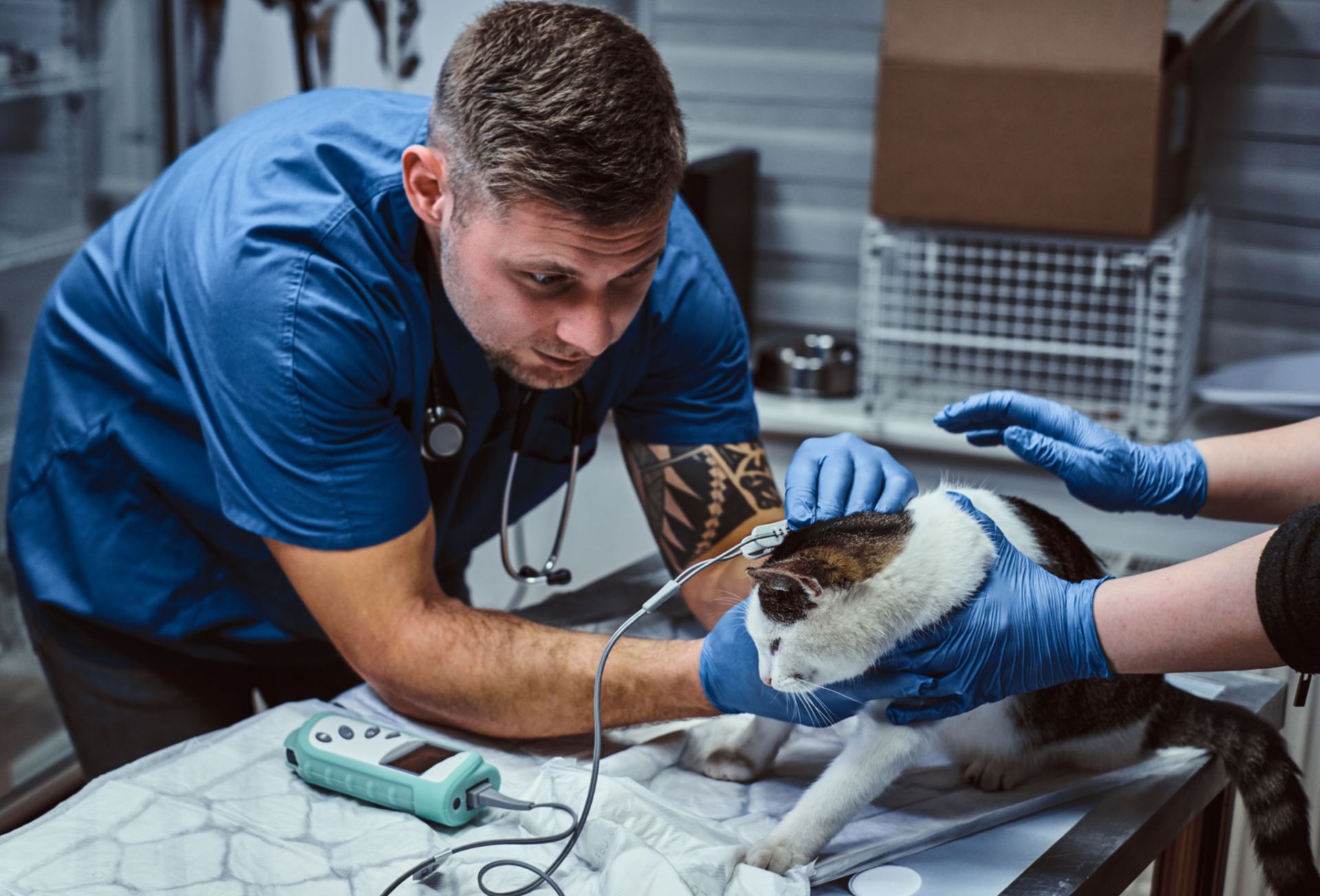
Anesthetic induction and continuous monitoring keep the pet completely pain-free and physiologically stable throughout the operation. Advanced multiparameter monitors track electrocardiogram readings, blood oxygen saturation, carbon dioxide levels, and core temperature second by second. If blood pressure dips or heart rhythm shifts, the anesthesia team adjusts fluid rates or medication depths instantaneously. Working within a well-equipped animal emergency hospital ensures that life-support technology and emergency drugs remain within arm's reach at every stage. This integration of technology and expertise helps manage even the most complex cases with confidence.
Perform Lifesaving Surgical Techniques
Once the surgical field is draped and sterile, the veterinarian makes a precise incision to address the underlying crisis. Depending on the emergency, the surgeon may remove a lodged foreign body from the intestines, untwist a bloated stomach, repair a ruptured spleen, or clean out a severe abdominal infection. Orthopedic emergencies often require specialized pins, plates, or external fixators to realign shattered bones and restore mobility. Every suture and clamp is placed with meticulous care to minimize tissue trauma and promote rapid healing. The veterinarian's expertise is crucial in tailoring the surgical approach to the unique needs of each patient.
Unpredictable challenges frequently arise during urgent operations, testing the adaptability of the entire surgical crew. A pet might experience sudden hemorrhage requiring an immediate blood transfusion, or internal damage may prove more extensive than initial X-rays suggested. Experienced emergency surgeons remain calm under pressure, pivoting techniques in real time to control bleeding and protect vital organs. Having immediate access to blood products and advanced surgical tools at an animal emergency hospital often makes the difference between a tragic outcome and a full recovery. Teamwork and quick decision-making are vital components in navigating these critical situations successfully.
Monitor Post-Operative Recovery
Completing the final suture marks the transition from active surgery to intensive post-operative recovery. The veterinary team moves the pet to a warm, quiet recovery ward while gradually weaning them off anesthetic gases. Technicians closely observe breathing patterns, swallowing reflexes, and body temperature as the animal regains consciousness. Pain management continues around the clock using multimodal medications so the patient rests comfortably without unnecessary suffering. Comprehensive care during this phase is crucial to ensuring a successful recovery and long-term health.
Over the following hours and days, clinicians monitor surgical incisions, hydration status, and appetite before clearing the pet to return home. Before discharge, the veterinary team provides detailed written instructions covering medication schedules, activity restrictions, and warning signs that warrant a follow-up visit. Families who partner with a trusted animal emergency hospital gain peace of mind knowing dedicated professionals remain available for post-surgical questions or complications. Continued communication with pet owners is essential in fostering a smooth transition back to normal life.
Facing a sudden pet crisis is overwhelming, yet knowing what happens behind the surgical doors brings welcome reassurance during an uncertain time. From rapid diagnostics and patient stabilization to precision surgery and attentive recovery care, every step at an animal emergency hospital is designed to give your companion the best possible chance at a healthy future. If your pet ever suffers a sudden injury or alarming medical emergency, contact Emergency Animal Hospital of Crystal Falls immediately so our experienced team can provide prompt, compassionate care when your best friend needs it most. Our commitment to excellence ensures that every pet receives the highest standard of care, tailored to their specific situation.


Share On: